
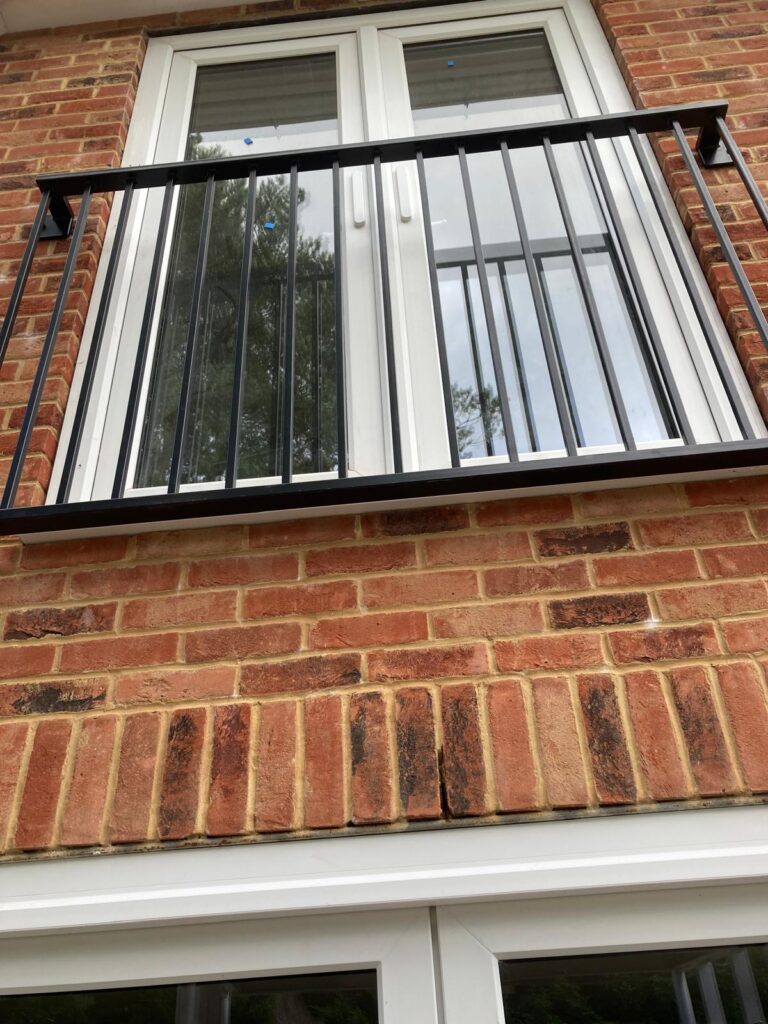
Steel fabrication plays a critical role in the construction industry throughout South England. From residential extensions and commercial developments to industrial facilities and public infrastructure, fabricated steel provides the structural framework that supports modern buildings.
Despite advances in manufacturing technology, many construction projects still experience delays, budget overruns and installation issues because steel fabrication is not properly planned from the outset. In many cases, the problem is not the fabrication itself but the decisions made before production even begins.
If you are looking for steel fabrication in South England, understanding these common challenges can help you avoid expensive mistakes while ensuring your project runs smoothly.
Why Do Steel Fabrication Projects Experience Delays?
Many people assume fabrication starts when steel arrives at the workshop.
In reality, successful fabrication begins much earlier with accurate engineering information, detailed design coordination and clear communication between everyone involved in the project.
Common causes of project delays include:
- Incomplete structural drawings
- Incorrect site measurements
- Design changes after fabrication has started
- Poor communication between contractors
- Manufacturing based on outdated revisions
- Delayed approval of fabrication drawings
Once fabrication is underway, correcting these issues often results in additional costs and significant programme delays.
Why Choosing a Fabricator on Price Alone Can Be Expensive
Competitive quotations are important, but they should never be the only factor when selecting a fabrication company.
Lower quotations may not include essential services such as:
- Fabrication drawing preparation
- Dimensional quality inspections
- Material certification
- Weld testing
- Protective coatings
- Delivery and installation coordination
Professional steel fabrication in South England focuses on manufacturing steelwork that fits correctly first time, helping contractors avoid costly alterations once construction begins.
How Fabrication Accuracy Affects the Entire Construction Programme
Fabricated steel forms the foundation for many other construction activities.
If structural steel arrives with dimensional inaccuracies, the impact extends well beyond the steelwork itself.
Potential consequences include:
Installation Delays
Roofing, cladding, glazing and internal trades may all be delayed while fabrication issues are corrected.
Increased Labour Costs
Site teams often remain on standby while replacement components are manufactured and delivered.
Additional Material Waste
Incorrectly fabricated steel may require modification or complete replacement, increasing overall project costs.
Precision manufacturing significantly reduces these risks.
Which Projects Commonly Require Steel Fabrication in South England?
Steel fabrication supports projects across multiple sectors throughout South England.
Typical applications include:
- Structural steel frames
- Steel beams
- RSJ installations
- Commercial buildings
- Industrial units
- Residential developments
- House extensions
- Mezzanine floors
- Steel staircases
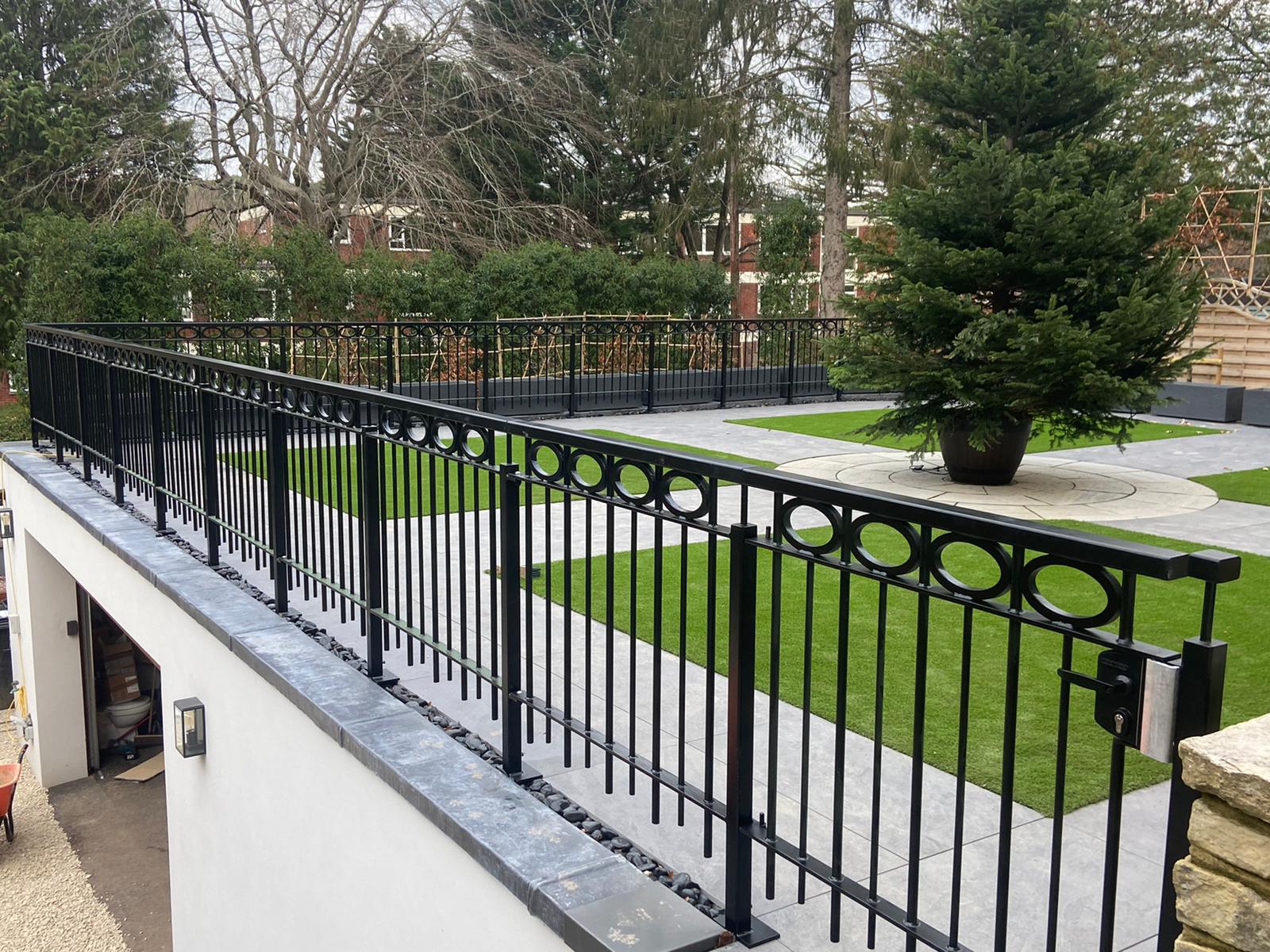
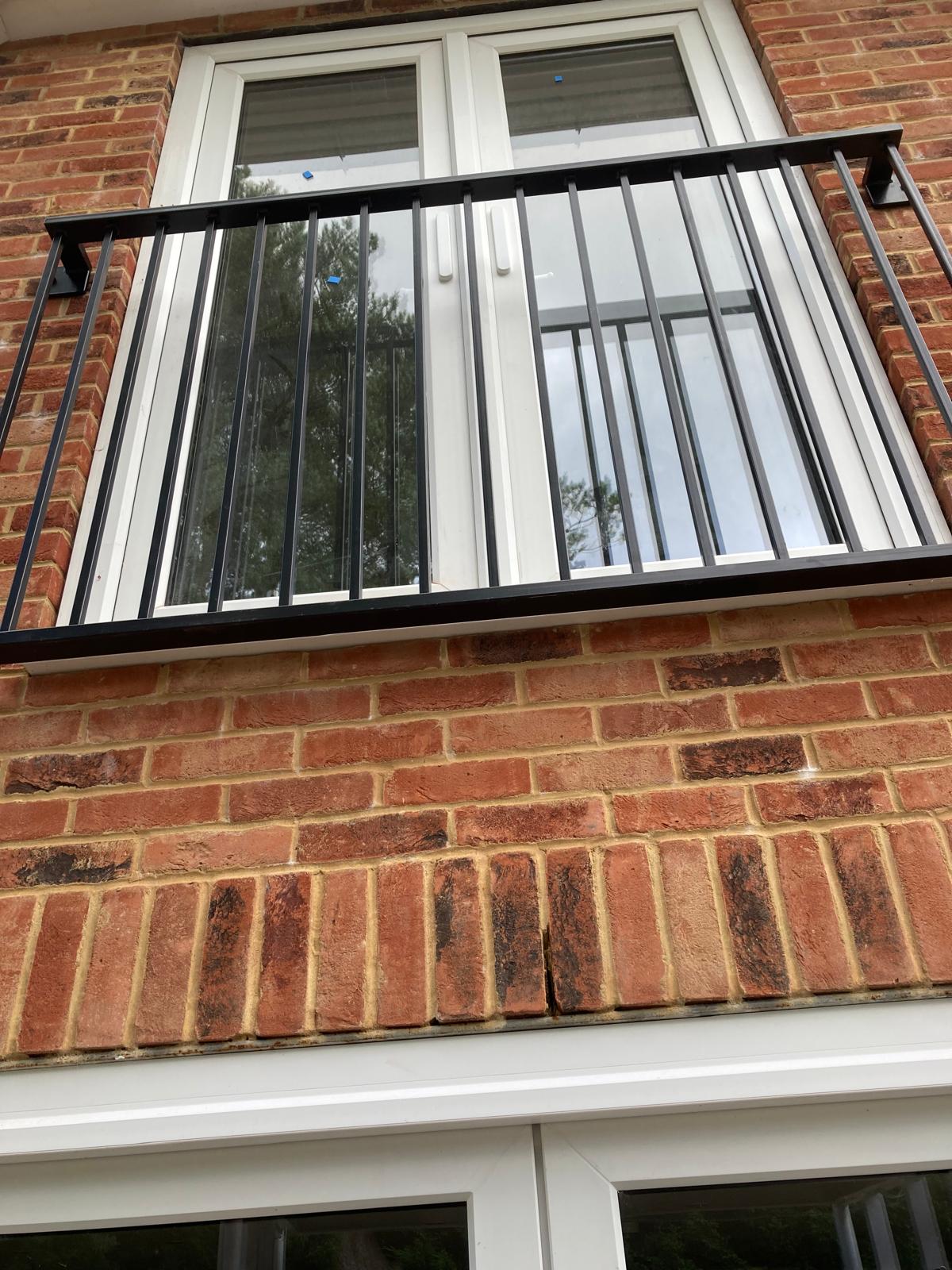
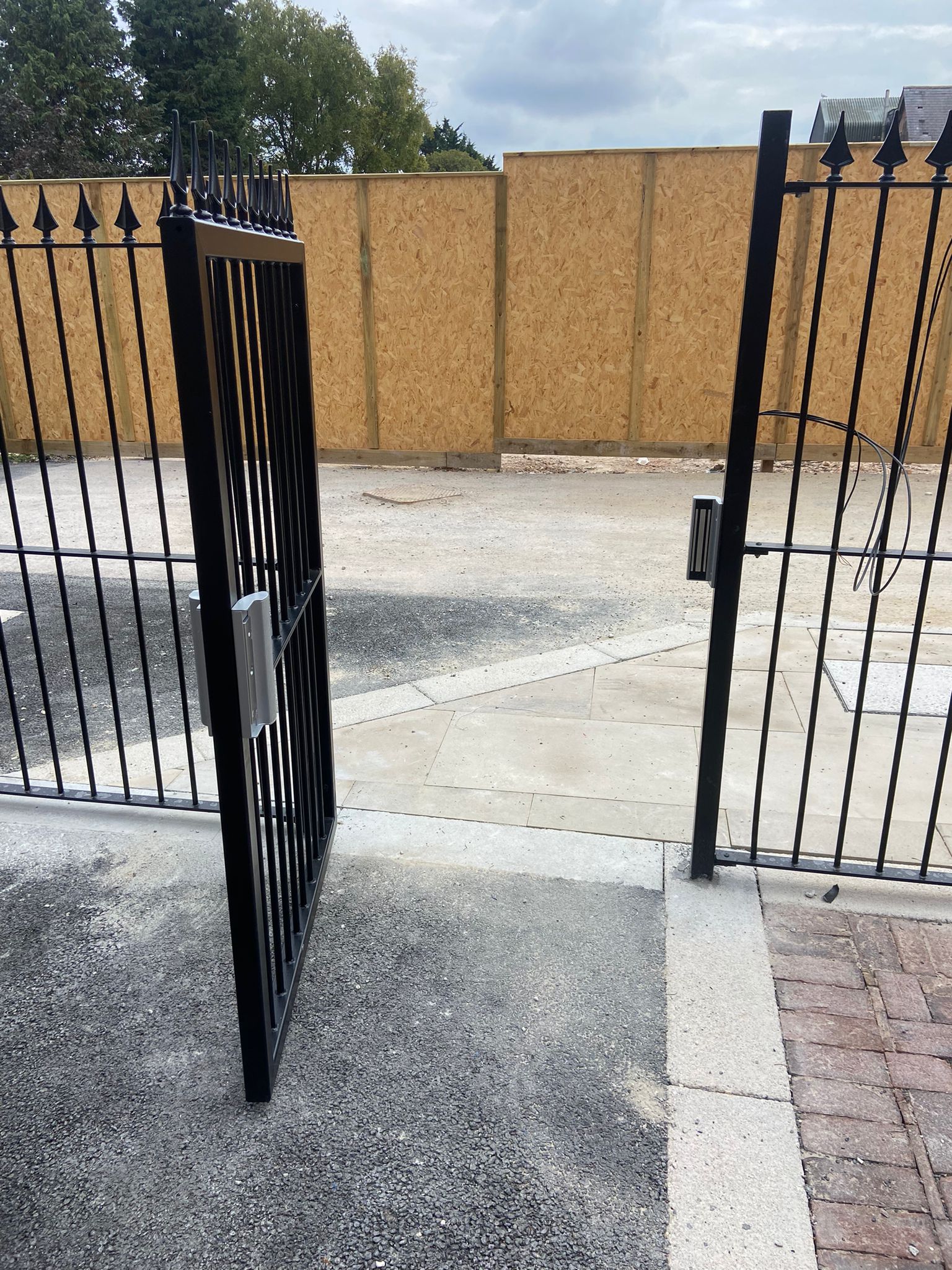
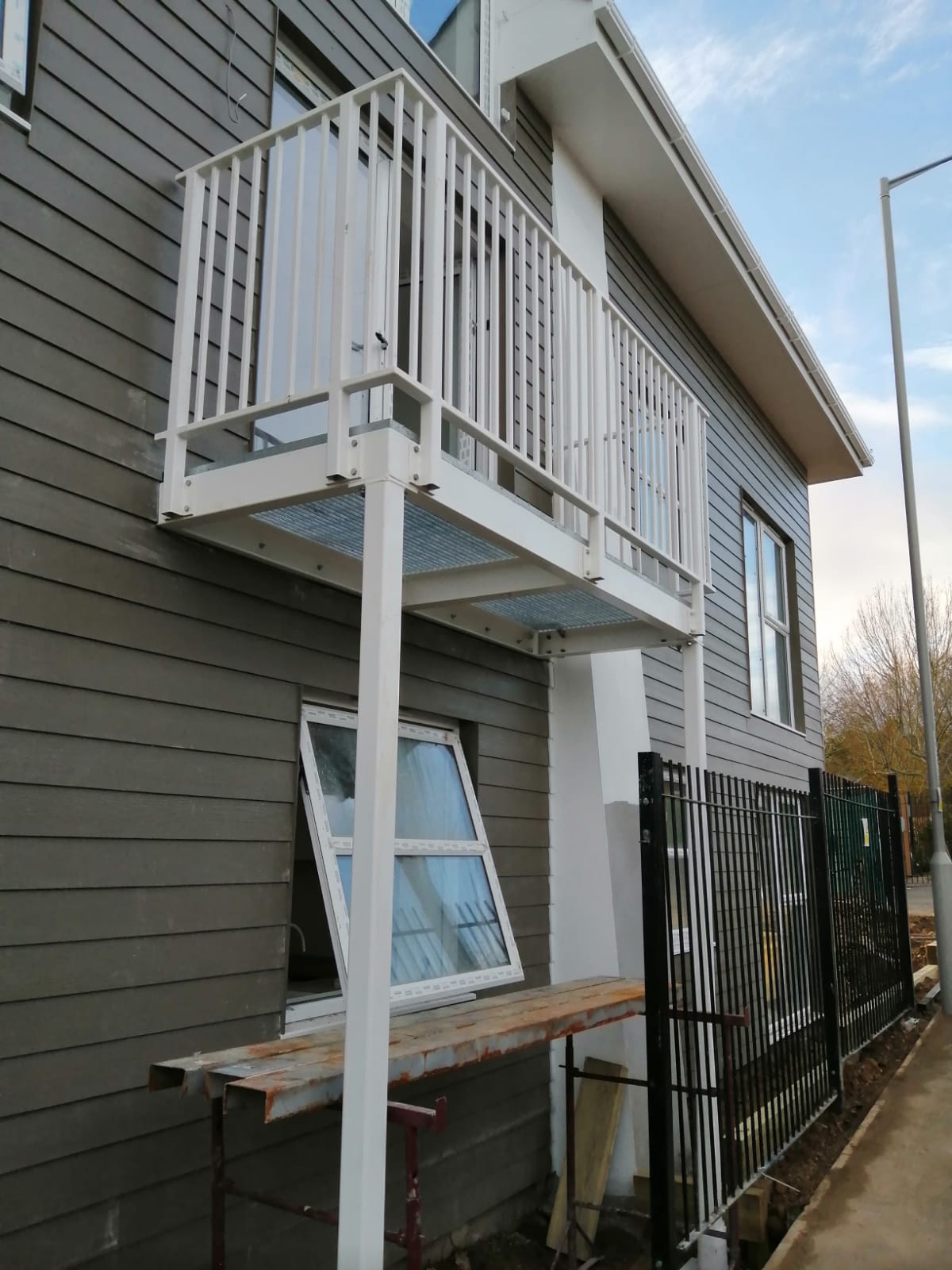
- Architectural metalwork
- Bespoke fabrication
Each project requires careful consideration of structural loads, connection details and installation sequencing.
Why Material Selection Should Never Be Overlooked
Selecting the correct material is just as important as accurate fabrication.
Depending on the project, fabricators may recommend:
Mild Steel
A versatile and cost-effective solution widely used for structural applications.
Galvanised Steel
Provides additional corrosion protection for external structures exposed to changing weather conditions.
Stainless Steel
Often chosen where appearance, hygiene or long-term corrosion resistance are particularly important.
Using appropriate materials helps improve durability while reducing future maintenance requirements.
Why Early Collaboration Produces Better Results
The most successful steel fabrication projects begin during the design stage rather than immediately before manufacturing.
Collaboration between architects, structural engineers, fabricators and contractors allows potential challenges to be identified before production starts.
Early planning helps:
- Reduce fabrication errors
- Improve installation efficiency
- Minimise material waste
- Avoid costly redesigns
- Keep construction programmes on schedule
This collaborative approach benefits projects of every size, from domestic renovations to large commercial developments.
Questions to Ask Before Choosing a Steel Fabricator
Before appointing a fabrication company, consider asking:
- Have they completed projects similar to yours?
- Can they manufacture bespoke structural steel?
- What quality control procedures are followed?
- How are fabrication drawings reviewed?
- Which protective finishes are recommended?
- Can fabrication and installation be coordinated?
- Do they work directly from structural engineering drawings?
These questions provide a better understanding of technical capability than comparing quotations alone.
Why Quality Fabrication Is a Long-Term Investment
Accurate fabrication reduces much more than installation problems.
It improves structural reliability, supports faster project completion and reduces ongoing maintenance throughout the life of the building.
Whether the project involves residential construction, commercial development or industrial expansion, investing in professional steel fabrication in South England helps deliver stronger, safer and more cost-effective outcomes.
Conclusion
Choosing the right steel fabrication in South England provider is about more than finding a company that can cut and weld steel. Successful projects depend on accurate planning, detailed engineering, precision manufacturing and thorough quality control from the very beginning.
By prioritising expertise, communication and fabrication accuracy over short-term cost savings, property owners, developers and contractors can significantly reduce project risks while ensuring the finished steelwork performs reliably for decades.
Frequently Asked Questions
What is steel fabrication?
Steel fabrication is the process of cutting, drilling, welding and assembling steel into structural or bespoke components used in residential, commercial and industrial construction projects.
How long does steel fabrication take?
Timescales depend on project complexity, material availability and fabrication requirements. Most bespoke fabrication projects take several weeks following drawing approval.
Why are fabrication drawings important?
Fabrication drawings provide the exact manufacturing details required to produce steelwork that fits accurately during installation, reducing costly site alterations.
Can steel fabrication be used for residential projects?
Yes. Steel fabrication is commonly used for house extensions, loft conversions, steel beams, RSJ installations, staircases and bespoke architectural steelwork.
Why is quality control essential during fabrication?
Quality control ensures fabricated steel complies with engineering specifications, helping reduce installation delays, improve structural performance and extend the lifespan of the completed structure.

