
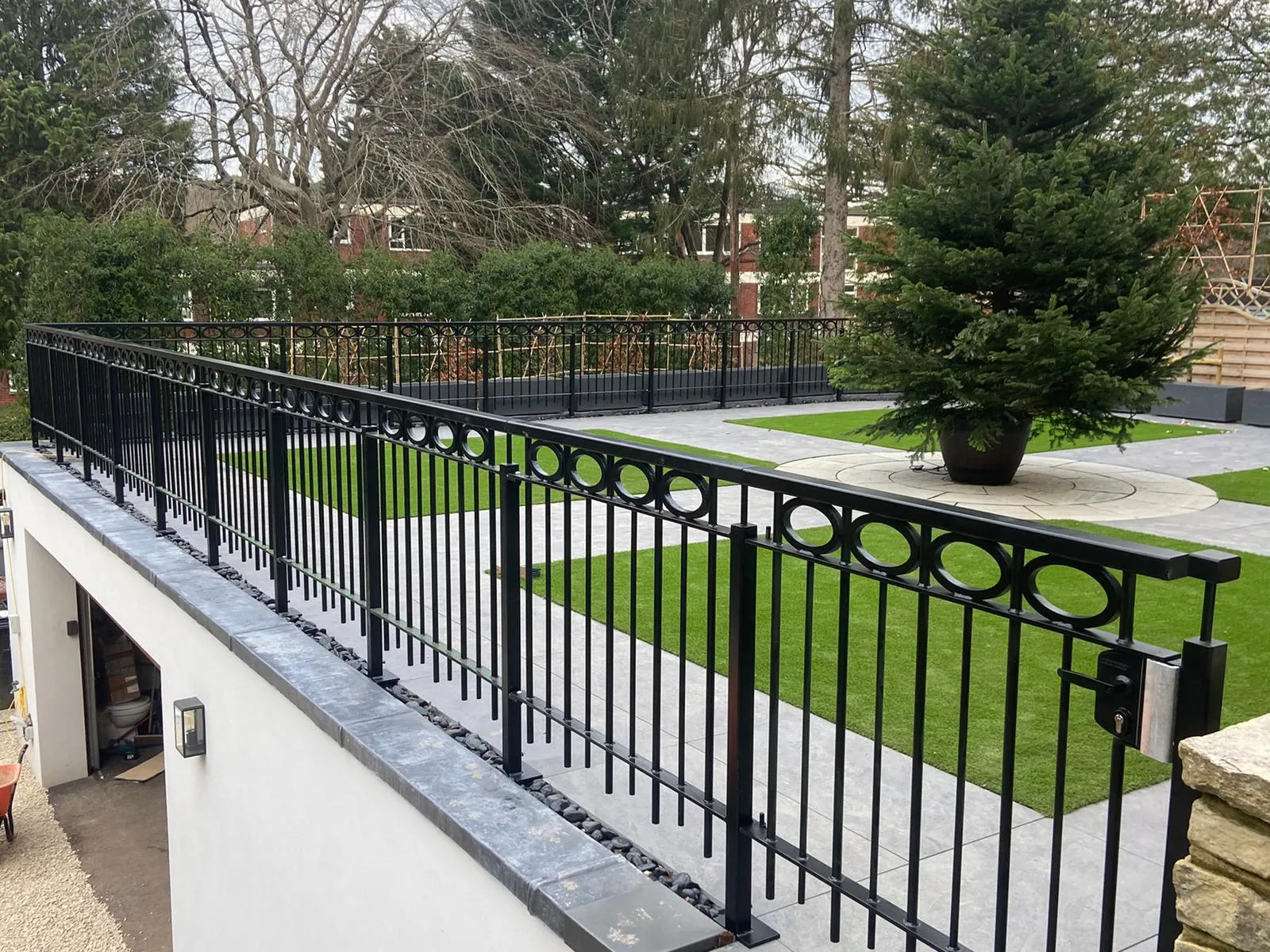


Steel fabrication is one of the most important stages of any construction project. Whether the steel is supporting a house extension, commercial development or industrial building, every fabricated component must fit precisely to ensure safe and efficient installation.
Across Poole, demand for bespoke steel fabrication continues to grow as residential and commercial developments become more complex. Yet many projects still experience delays, increased labour costs and unnecessary structural alterations because fabrication decisions are rushed or based solely on price.
Understanding how professional Steel Fabrication Poole services contribute to a successful project can help prevent expensive mistakes before manufacturing even begins.
Why Do Steel Fabrication Projects Encounter Problems?
Fabrication issues rarely start in the workshop.
Most problems begin during the planning stage when incomplete drawings, inaccurate surveys or late design changes affect the manufacturing process.
Some of the most common issues include:
- Steel components manufactured to incorrect dimensions
- Connection plates that fail to align during installation
- Delays caused by missing engineering information
- Poor welding affecting structural performance
- Additional site modifications increasing labour costs
Once steel has been fabricated, correcting these issues can significantly impact both programme schedules and project budgets.
Why Accurate Planning Matters Before Steel Is Manufactured
Successful fabrication depends on far more than cutting and welding steel.
Every project should begin with accurate engineering information and clear communication between architects, structural engineers, builders and fabricators.
Professional Steel Fabrication Poole projects generally include:
Detailed Fabrication Drawings
Approved fabrication drawings ensure every beam, column and connection is manufactured according to the engineer’s design.
Accurate Site Measurements
Surveying existing structures before production reduces the risk of dimensional errors and costly adjustments during installation.
Material Selection
Choosing suitable steel grades and protective finishes ensures fabricated components perform reliably throughout their intended lifespan.
Careful preparation during these stages reduces risk throughout the construction process.
Why Choosing the Cheapest Fabricator Can Increase Overall Costs
It is natural to compare quotations, but the lowest price does not always represent the best value.
Lower-cost fabrication may exclude important services such as:
- Quality inspections
- Fabrication drawing reviews
- Material certification
- Protective coatings
- Dimensional verification
- Installation coordination
Although these services increase initial production costs, they often save considerable time and money by preventing problems on site.
How Precision Fabrication Improves Installation
Steelwork must integrate perfectly with every other part of a building.
Even minor dimensional inaccuracies can delay roofing, brickwork, glazing and internal construction.
Professional fabrication includes several quality assurance stages.
Precision Cutting And Drilling
Modern fabrication equipment allows steel sections to be manufactured with exceptional accuracy when operated by experienced professionals.
Certified Welding
Consistent welding procedures help ensure fabricated steel meets structural requirements while maintaining long-term reliability.
Final Inspection
Every fabricated component should be inspected before delivery to verify dimensions, connections and overall quality.
These checks reduce installation delays and improve project efficiency.
Which Projects Commonly Require Steel Fabrication In Poole?
Fabricated steel supports a wide range of construction projects throughout Poole.
Typical applications include:
- Structural steel frames
- Steel beams
- RSJ installations
- House extensions
- Loft conversions
- Commercial buildings
- Industrial units
- Mezzanine floors
- Steel staircases
- Architectural metalwork
- Bespoke fabrication
Each project requires a tailored fabrication approach based on structural requirements, loading conditions and installation methods.
Why Poole’s Coastal Environment Should Influence Fabrication Decisions
Steel installed in coastal locations is exposed to moisture, salt-laden air and changing weather conditions.
Without suitable protection, corrosion can reduce both the appearance and service life of fabricated steel.
Depending on the application, suitable protection may include:
- Hot-dip galvanising
- Specialist protective primers
- Powder coating
- Corrosion-resistant fixings
Selecting the appropriate finish during fabrication helps minimise maintenance while extending the lifespan of external steelwork.
Questions To Ask Before Choosing A Steel Fabrication Company
Before appointing a fabricator, consider asking:
- Have they completed similar projects?
- Can they manufacture bespoke steelwork?
- How are dimensions verified before production?
- What quality assurance procedures are followed?
- Which protective finishes are recommended?
- Can fabrication be coordinated with installation schedules?
- Do they work directly from structural engineering drawings?
The answers to these questions provide valuable insight into a company’s experience and technical capability.
Why Early Collaboration Delivers Better Results
The most successful steel fabrication projects begin long before production starts.
Early communication between designers, engineers, fabricators and contractors helps identify potential challenges before materials are ordered or manufacturing begins.
This collaborative approach reduces design revisions, minimises material waste and helps ensure fabricated steel arrives on site ready for efficient installation.
Conclusion
Choosing professional Steel Fabrication Poole services involves much more than manufacturing steel components. Careful planning, accurate fabrication, robust quality control and experienced project coordination all contribute to safer installations, reduced project delays and lower long-term costs.
Whether the project involves structural steelwork, bespoke fabrication or architectural metalwork, investing in quality fabrication from the outset is one of the most effective ways to achieve a successful construction outcome.
Frequently Asked Questions
What is steel fabrication?
Steel fabrication is the process of cutting, drilling, welding and assembling steel into structural or bespoke components used in residential, commercial and industrial construction.
How long does a steel fabrication project take?
The timescale depends on project complexity, material availability and fabrication requirements. Bespoke projects generally take several weeks after drawings have been approved.
Why are fabrication drawings important?
Fabrication drawings provide the precise manufacturing information needed to produce steel components that fit accurately during installation, helping to avoid costly site alterations.
Can steel fabrication be used for residential projects?
Yes. Steel fabrication is commonly used for house extensions, loft conversions, structural steel beams, staircases, balconies and bespoke architectural features.
Why is quality control important during fabrication?
Quality control ensures fabricated steel complies with approved specifications, reducing installation problems, improving structural performance and helping construction projects remain on schedule.

