
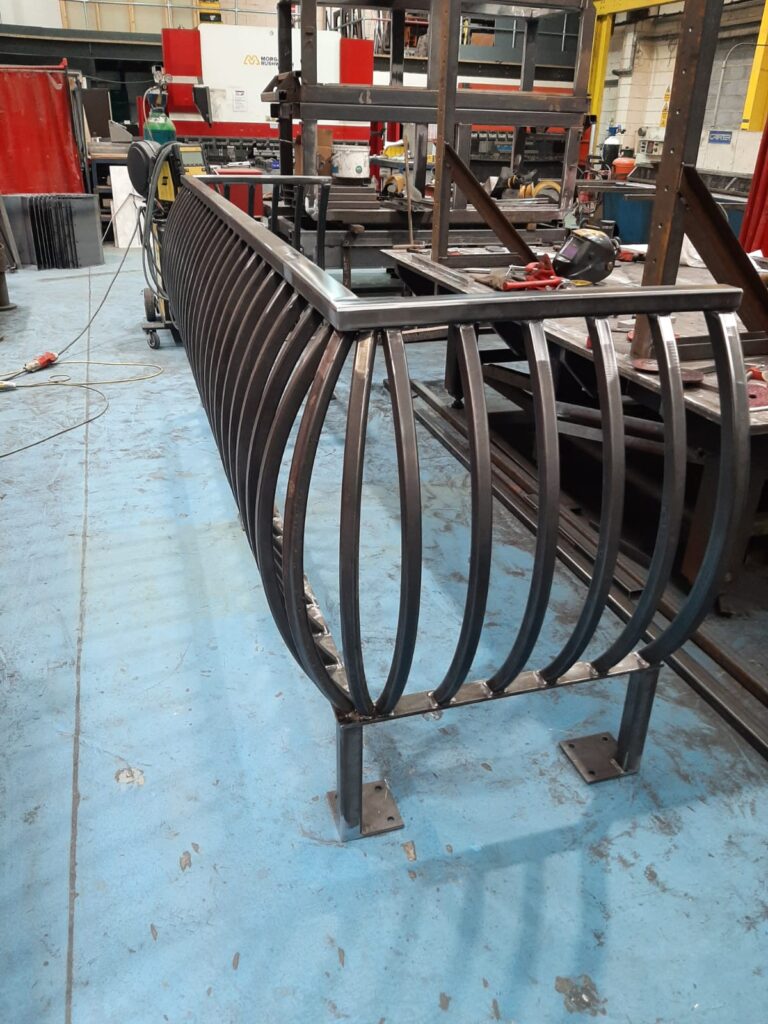
Steel fabrication is the foundation of countless construction and engineering projects throughout Hampshire. From structural steel frames and commercial buildings to bespoke residential extensions, every fabricated component must be manufactured with precision if the finished structure is to perform safely and efficiently.
Despite advances in fabrication technology, many projects still encounter avoidable delays, unexpected costs and installation problems. In most cases, the issue is not the steel itself but the planning decisions made before production begins.
If you’re considering steel fabrication Hampshire services, understanding these common pitfalls can help you make informed decisions and protect your investment.
Why Steel Fabrication Projects Encounter Unexpected Problems
Many people assume fabrication starts once steel is ordered.
In reality, successful fabrication begins with accurate engineering information, detailed drawings and careful project coordination.
Problems typically arise because of:
- Incomplete structural drawings
- Incorrect site measurements
- Last-minute design revisions
- Poor communication between contractors
- Choosing a fabricator based solely on price
These issues often lead to delays in manufacturing, costly alterations and installation complications that affect the entire construction programme.
The Hidden Cost of Choosing the Lowest Quotation
A competitive quotation can be attractive, but the cheapest option does not always represent the best value.
Lower-priced fabrication services may exclude essential stages such as:
- Fabrication drawing approval
- Material certification
- Dimensional inspections
- Weld quality checks
- Protective coatings
- Installation coordination
Without these quality assurance measures, even minor inaccuracies can require expensive remedial work once steel reaches the site.
Professional steel fabrication Hampshire services focus on delivering components that fit correctly the first time, helping contractors maintain project schedules and budgets.
Why Accurate Fabrication Matters More Than Speed
Construction projects rely on fabricated steel arriving exactly as designed.
A beam that is only a few millimetres out of tolerance may prevent an entire section of a building from being installed correctly.
Quality fabrication involves several critical stages.
Detailed Engineering Review
Structural calculations and fabrication drawings should be checked before manufacturing begins to identify potential conflicts.
Precision Manufacturing
Modern fabrication equipment allows steel to be cut, drilled and welded with exceptional accuracy when operated by experienced professionals.
Quality Inspection
Every fabricated component should be inspected before delivery to verify dimensions, weld quality and compliance with approved drawings.
These checks significantly reduce the likelihood of costly site modifications.
Which Projects Require Steel Fabrication in Hampshire?
Steel fabrication supports a broad range of residential, commercial and industrial developments throughout Hampshire.
Typical applications include:
- Structural steel frames
- Steel beams
- RSJ installations
- Commercial buildings
- Industrial units
- House extensions
- Loft conversions
- Mezzanine floors
- Steel staircases
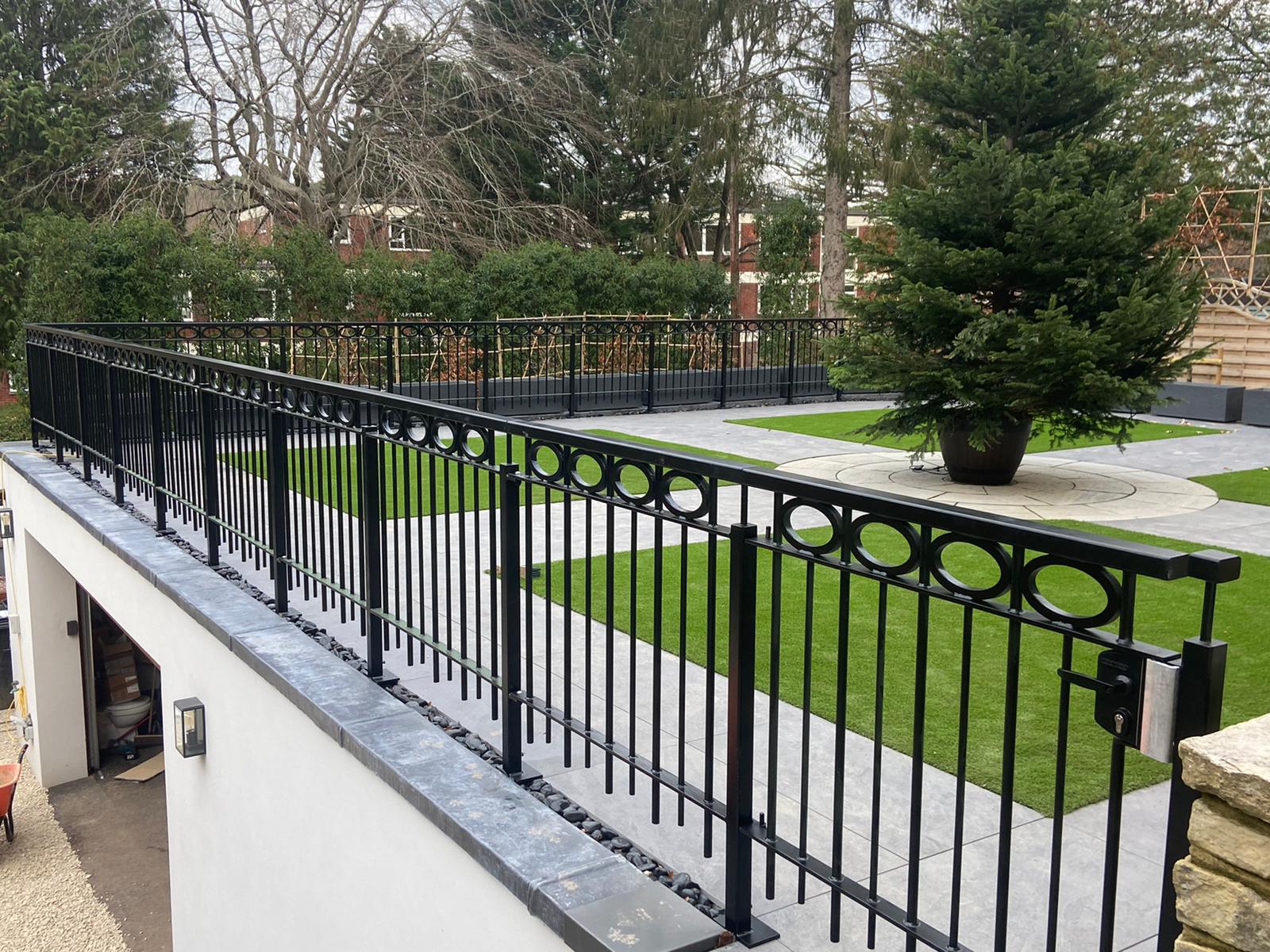
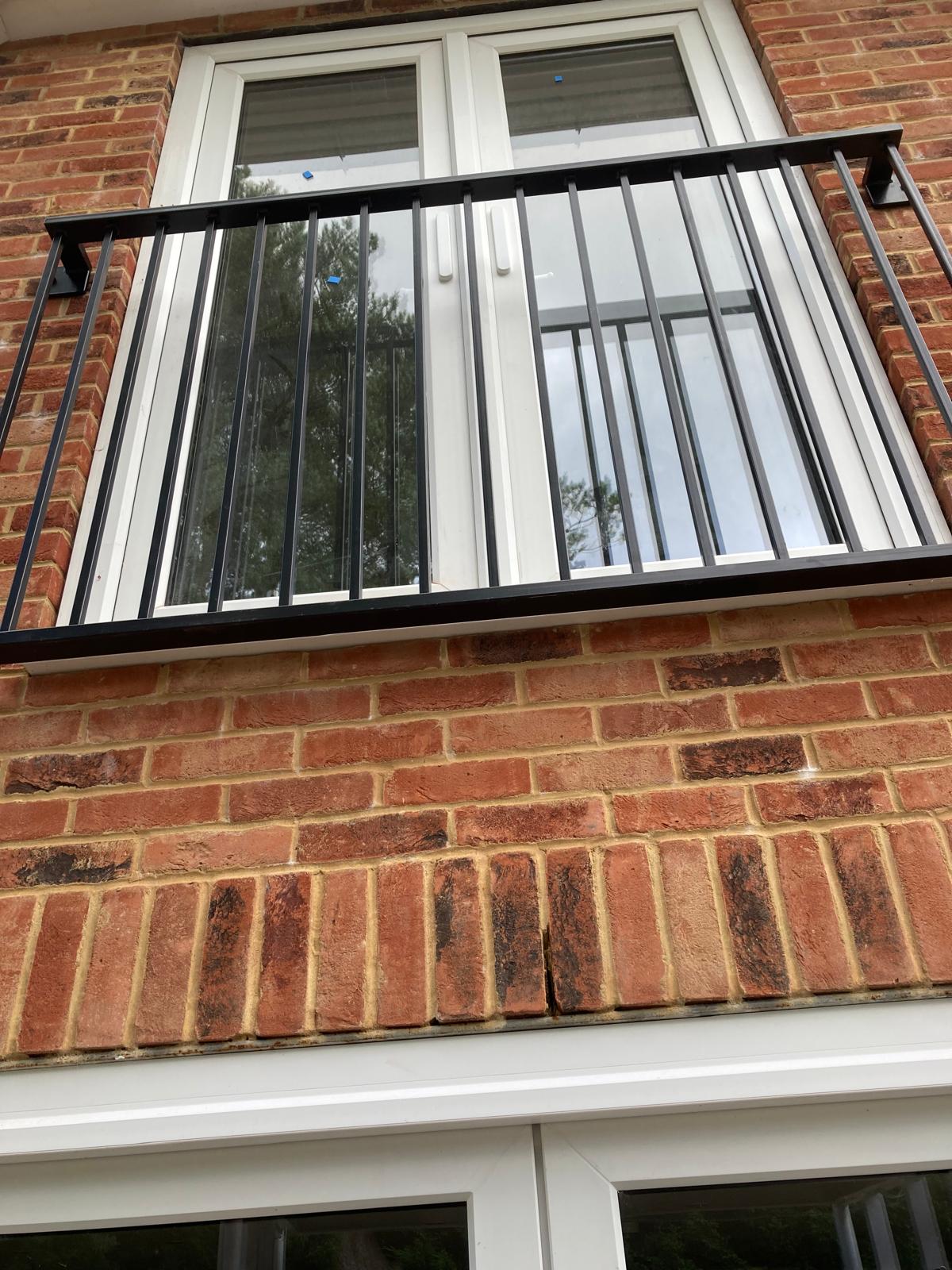
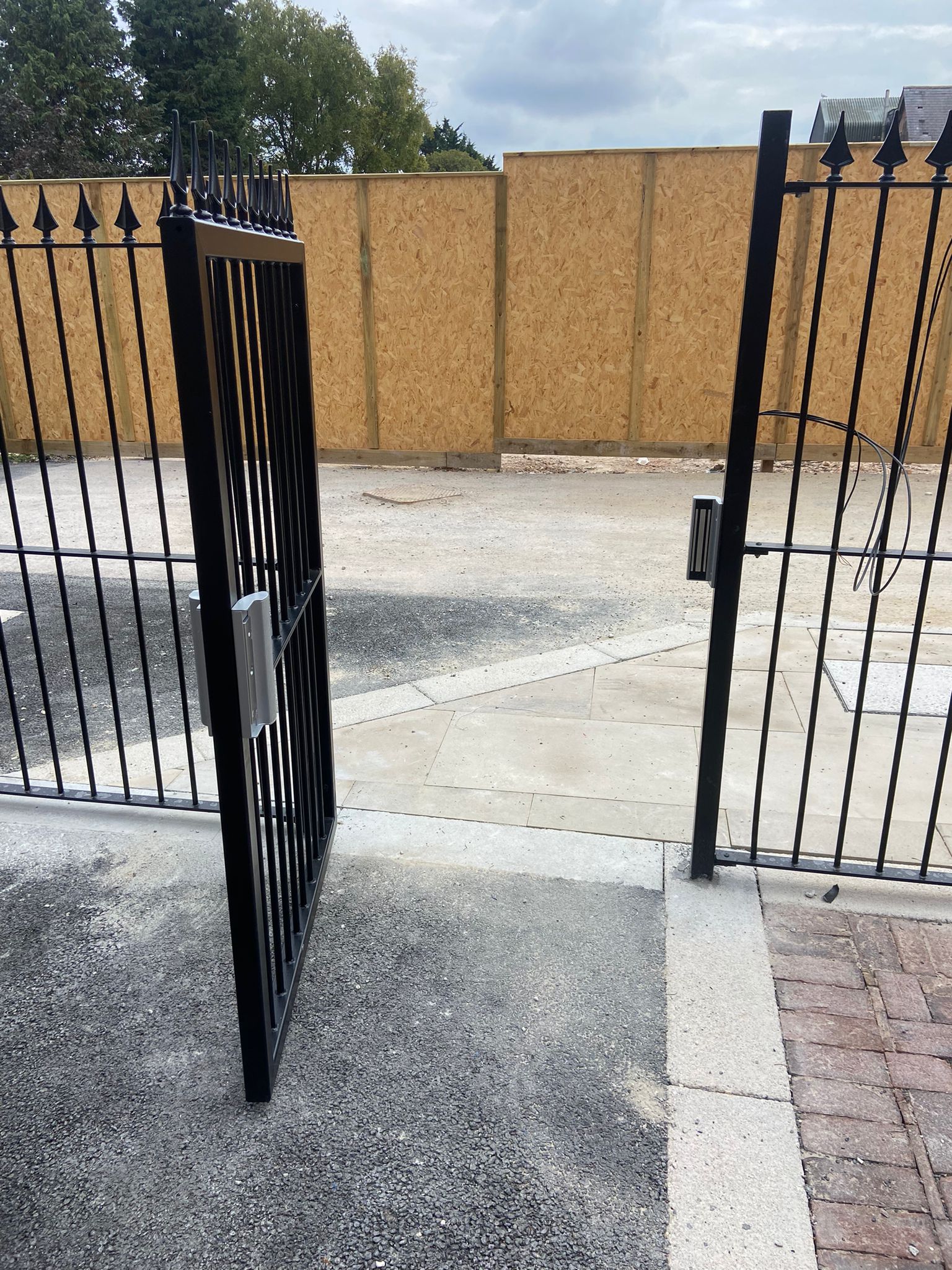
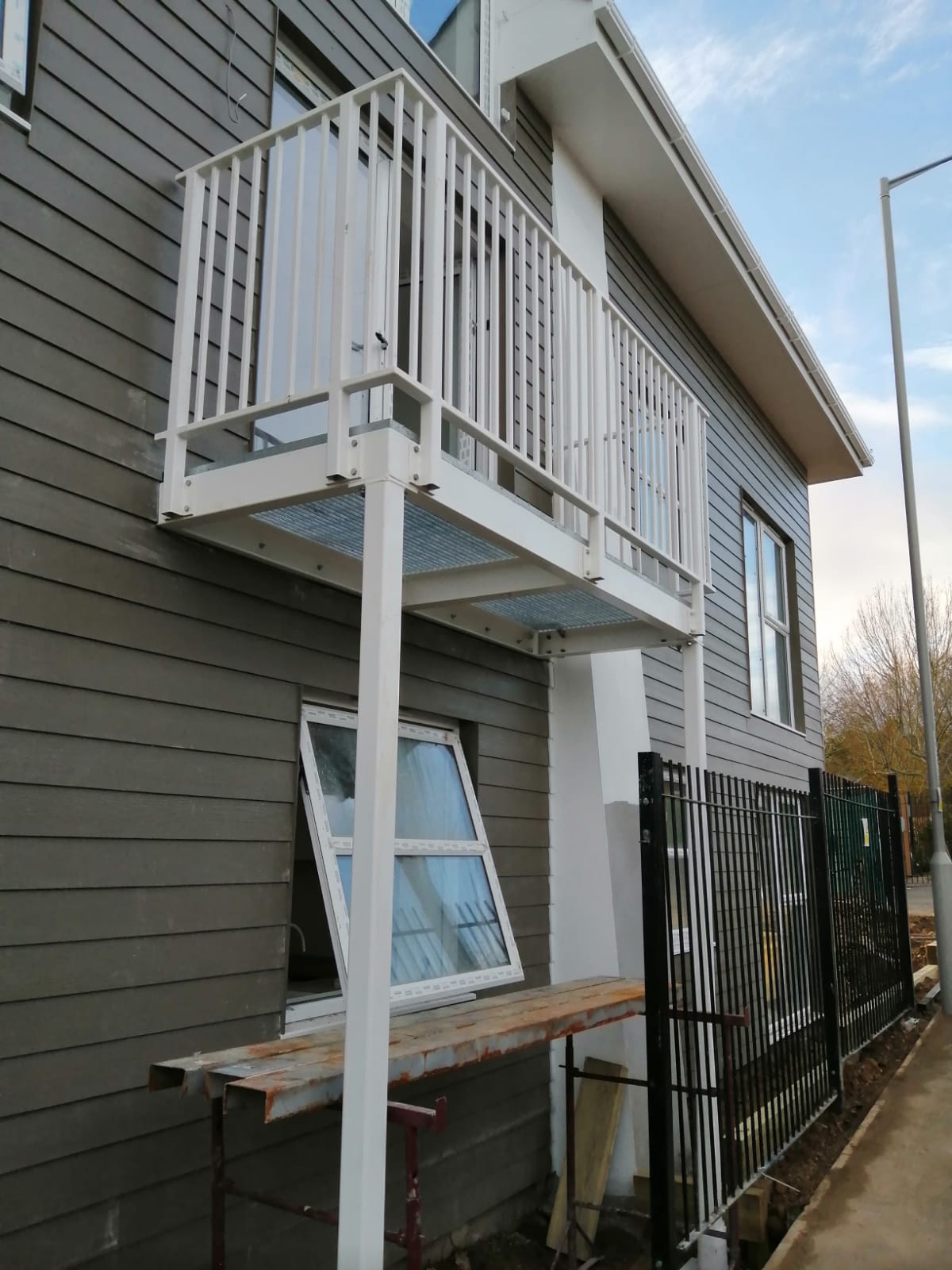
- Architectural metalwork
- Bespoke fabrication projects
Each project requires different fabrication methods depending on structural loads, design complexity and installation conditions.
Why Early Collaboration Delivers Better Results
One of the biggest causes of fabrication delays is late communication.
Architects, structural engineers, builders and fabricators all contribute to the success of a project. When these professionals work together from the design stage, potential problems can often be resolved before manufacturing begins.
Early collaboration helps:
- Improve fabrication accuracy
- Reduce design changes
- Minimise material waste
- Prevent installation delays
- Keep construction programmes on schedule
This approach also provides greater confidence that fabricated steel will perform exactly as intended.
How Material Selection Influences Long-Term Performance
Not every project requires the same type of steel.
Selecting suitable materials depends on structural requirements, environmental exposure and the intended lifespan of the finished product.
Common options include:
Mild Steel
A cost-effective solution for structural applications where strength and versatility are essential.
Stainless Steel
Often selected for architectural features and environments where corrosion resistance is particularly important.
Galvanised Steel
Provides additional protection for external applications exposed to moisture and changing weather conditions.
Choosing the correct material during the design stage helps reduce maintenance requirements throughout the life of the structure.
Questions You Should Ask Before Choosing a Steel Fabricator
Before appointing a fabrication company, consider asking:
- Have they completed projects similar to yours?
- Do they manufacture bespoke steelwork?
- What quality control procedures are followed?
- Are fabrication drawings reviewed before production?
- How are dimensions verified?
- Can they coordinate fabrication with installation schedules?
- Which protective finishes are recommended?
These questions help assess technical capability rather than focusing purely on price.
Why Quality Fabrication Is an Investment
Well-manufactured steel does more than satisfy engineering requirements.
Accurate fabrication improves installation efficiency, reduces disruption on site and minimises the likelihood of expensive remedial work later in the project.
Whether the development is residential, commercial or industrial, investing in experienced steel fabrication Hampshire services provides long-term value by delivering reliable structural performance and consistent manufacturing quality.
Conclusion
Successful steel fabrication Hampshire projects begin long before steel enters the workshop. Careful planning, precise engineering, accurate manufacturing and thorough quality control all play a vital role in delivering durable, safe and cost-effective results.
Understanding these factors enables property owners, developers and contractors to make informed decisions, reducing construction risks while ensuring fabricated steel meets the highest standards of performance.
Frequently Asked Questions
What is steel fabrication?
Steel fabrication is the process of cutting, drilling, welding and assembling raw steel into structural or bespoke components used in construction and engineering projects.
How long does steel fabrication take?
Timescales depend on project complexity, material availability and fabrication requirements. Bespoke projects generally take several weeks following drawing approval.
Why are fabrication drawings important?
Fabrication drawings provide the exact manufacturing details required to produce components that fit accurately during installation, helping to prevent costly site alterations.
Can steel fabrication be used for residential projects?
Yes. Steel fabrication is widely used for house extensions, loft conversions, structural steel beams, staircases and bespoke architectural features.
Why is quality control important during steel fabrication?
Quality control ensures fabricated components meet approved specifications, reducing installation issues, improving structural performance and helping projects remain on schedule.

