
Metal fabrication is often viewed as the stage where raw materials are cut, welded and assembled into finished products. In reality, the success of any fabrication project depends on decisions made long before manufacturing begins.
Across Dorset, property owners, contractors, architects and business owners regularly invest in bespoke metalwork for residential, commercial and industrial projects. Yet many experience unnecessary delays, rising costs and installation issues because important planning stages are overlooked.
Understanding what influences successful metal fabrication in Dorset can help prevent expensive problems while ensuring your finished product performs exactly as intended.
Why Do Metal Fabrication Projects Frequently Experience Problems?
Fabrication errors are rarely caused by the workshop alone.
Most issues begin during project planning, where incomplete drawings, inaccurate site measurements or unsuitable material choices create problems that become much more expensive once manufacturing starts.
Some of the most common issues include:
- Incorrect dimensions that prevent components fitting on site
- Design changes after fabrication has begun
- Poor welding quality reducing structural integrity
- Material selection unsuitable for the working environment
- Delays caused by missing engineering information
These problems often lead to additional manufacturing, delivery delays and increased installation costs.
Why Material Selection Is More Important Than Many Clients Realise
Not every fabrication project should use the same type of metal.
The correct material depends on where the finished product will be installed, how much weight it will carry and the environmental conditions it will face throughout its lifespan.
Professional metal fabrication in Dorset commonly involves working with:
Mild Steel
Widely used for structural applications because of its strength, versatility and cost-effectiveness.
Stainless Steel
Ideal where corrosion resistance, hygiene or a high-quality appearance is required.
Aluminium
A lightweight option frequently chosen where reduced weight and natural corrosion resistance are important.
Selecting the wrong material at the beginning of a project can significantly increase maintenance costs in the future.
Dorset’s Coastal Environment Creates Additional Challenges
Many areas across Dorset are exposed to higher levels of moisture, rainfall and airborne salt.
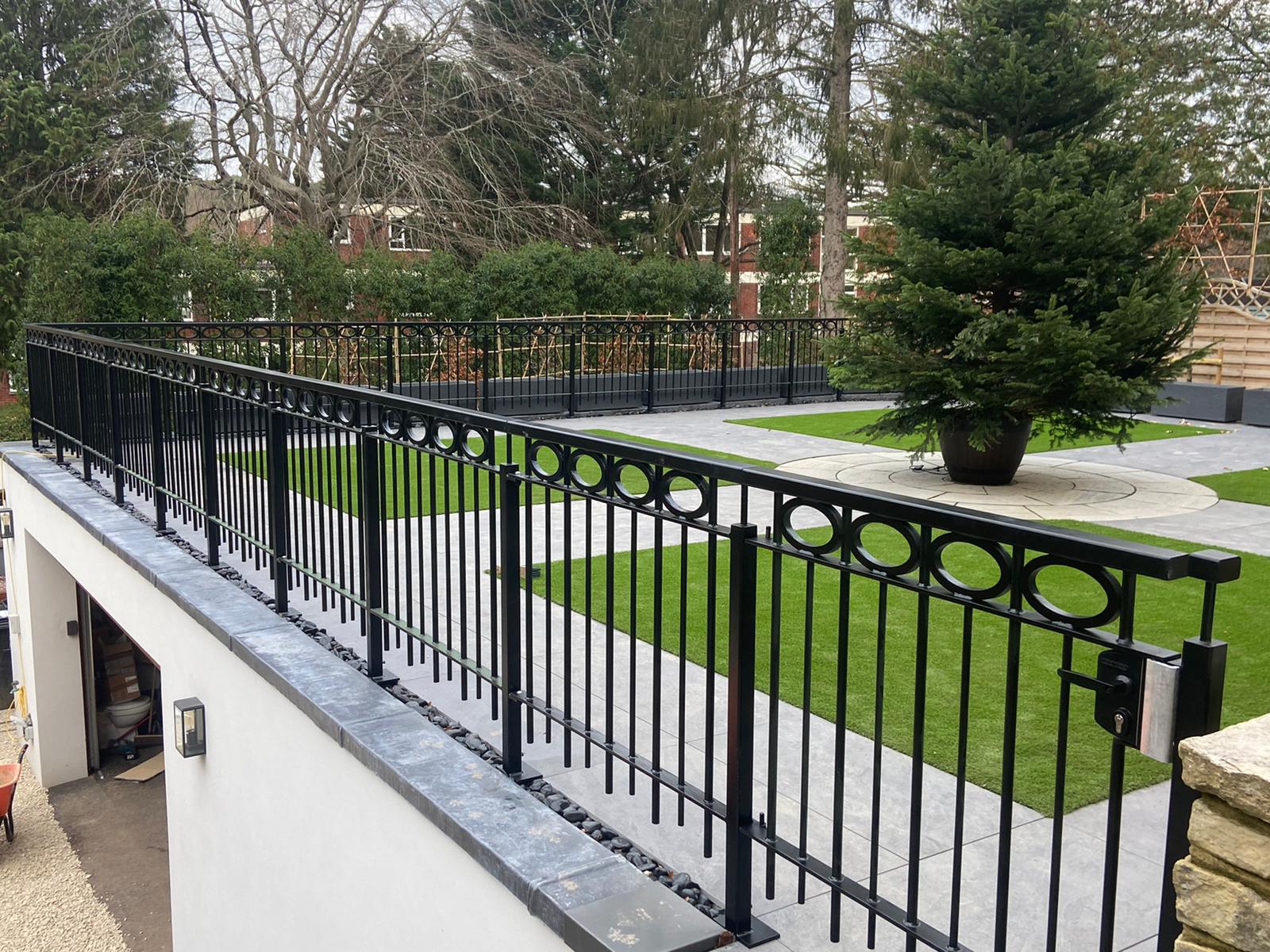
These conditions accelerate corrosion on unprotected metalwork, particularly for external installations such as:
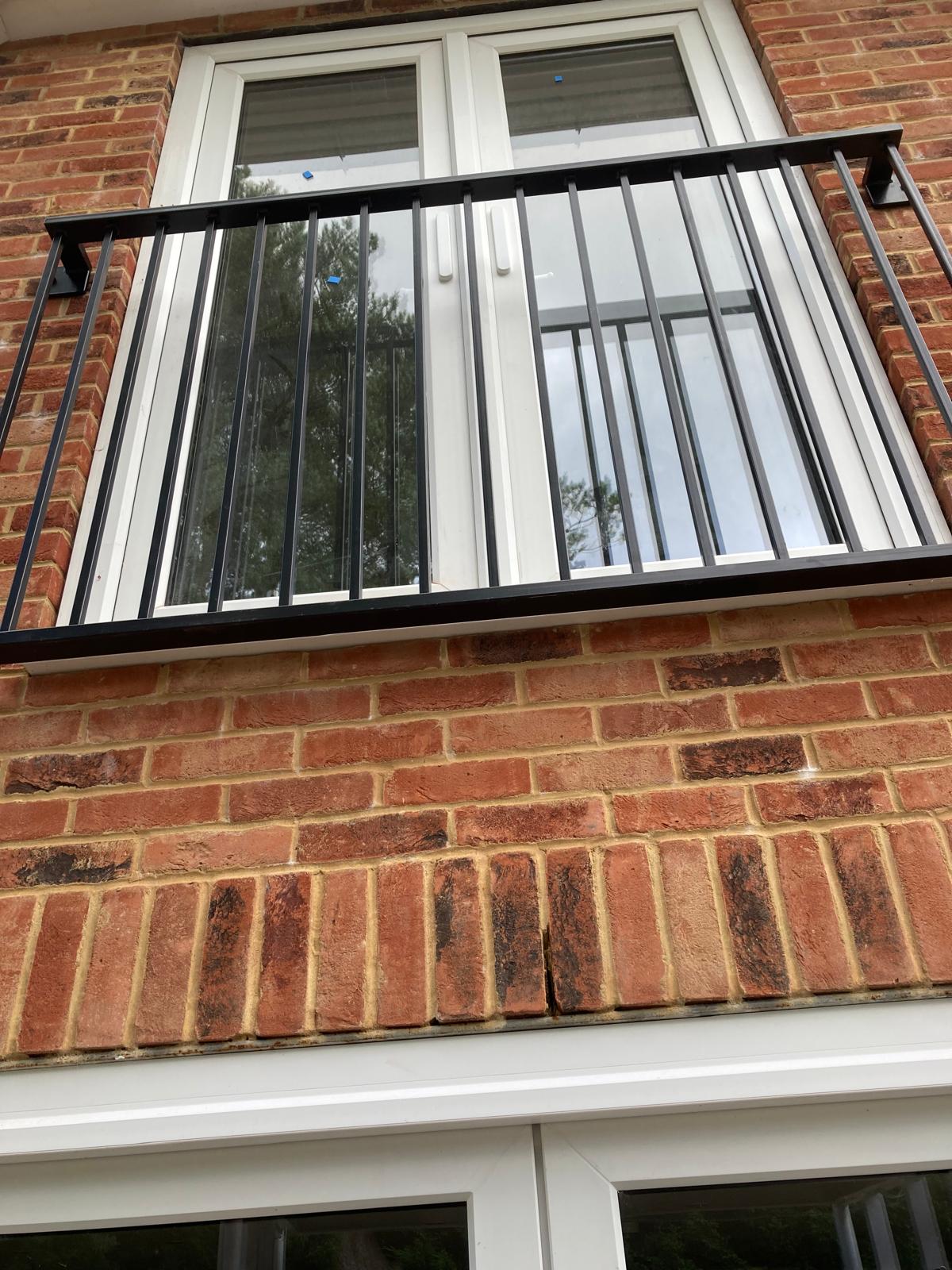
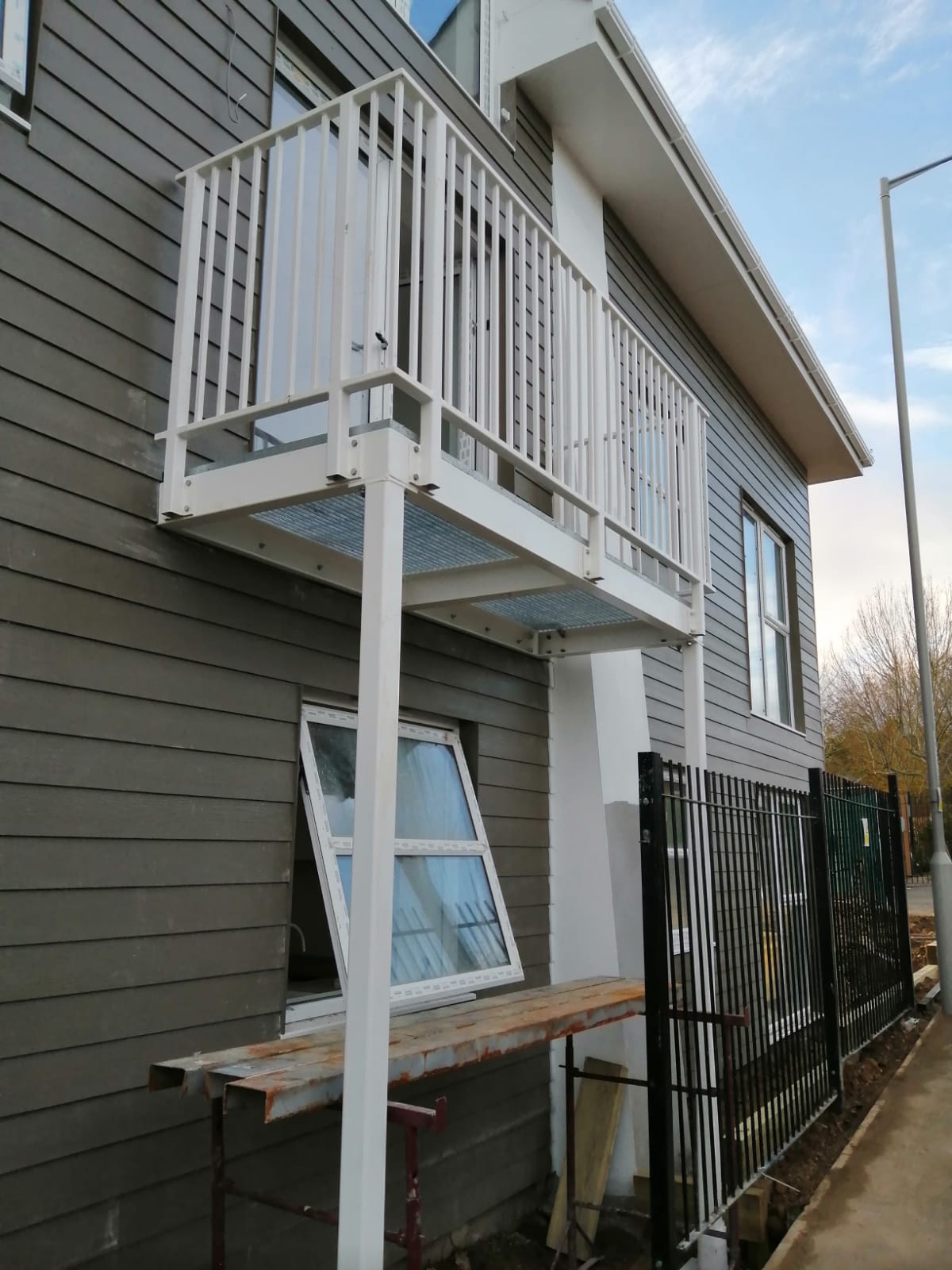
- Balconies
- Staircases
- Handrails
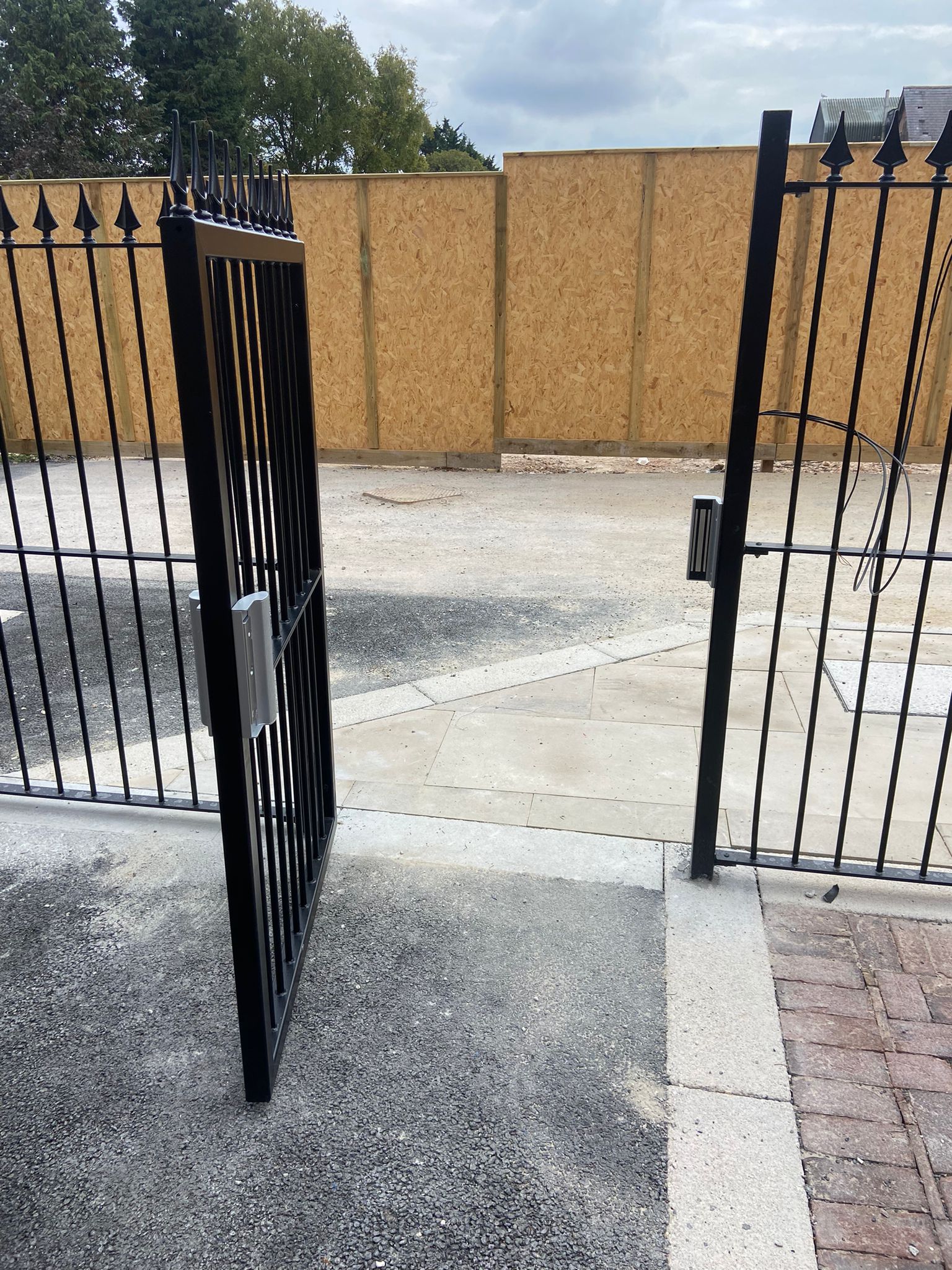
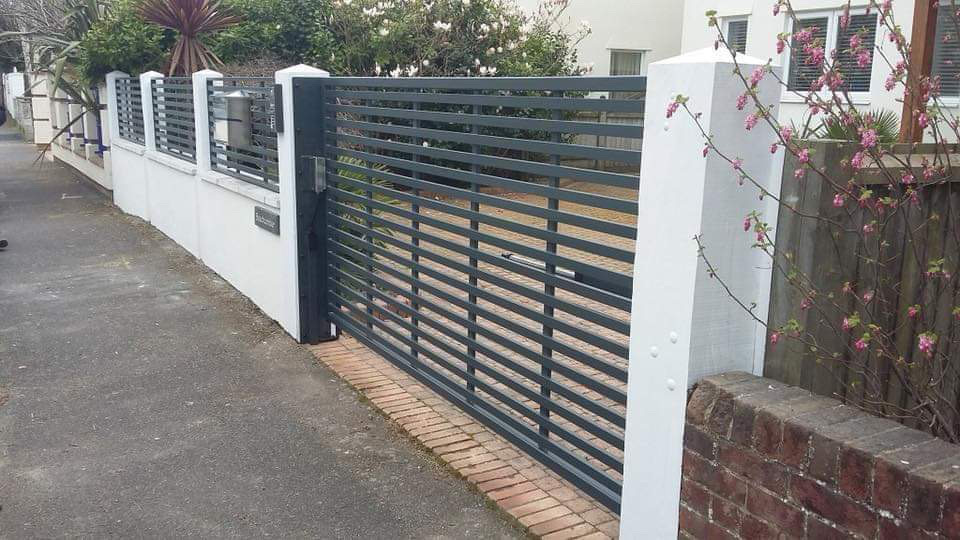
- Gates
- Railings
- Structural support frames
Choosing appropriate protective finishes during the fabrication process is essential for extending the service life of fabricated components.
Why Precision Fabrication Reduces On-Site Delays
Construction programmes rely on fabricated components arriving exactly as specified.
Even small dimensional errors can delay multiple contractors waiting for installation to be completed.
Professional fabrication includes several quality control stages before delivery.
Detailed Drawing Reviews
Approved fabrication drawings ensure every component matches the engineer’s design before manufacturing begins.
Accurate Cutting and Manufacturing
Modern fabrication equipment combined with experienced workmanship helps achieve consistent tolerances throughout production.
Inspection Before Delivery
Finished components should be checked against approved drawings to identify any issues before transportation to site.
This process significantly reduces the likelihood of costly installation modifications.
Which Projects Commonly Require Metal Fabrication in Dorset?
Bespoke fabrication supports a wide variety of sectors throughout Dorset.
Typical projects include:
- Structural steelwork
- Architectural metalwork
- Steel staircases
- Balustrades
- Handrails
- Gates
- Railings
- Mezzanine floors
- Industrial platforms
- Commercial refurbishments
- Residential extensions
- Bespoke decorative metalwork
Every project requires different manufacturing methods depending on its purpose, loading requirements and installation environment.
Why Choosing the Cheapest Fabricator Can Increase Overall Costs
Many customers compare quotations without understanding what each includes.
A lower price may exclude:
- Detailed fabrication drawings
- Material certification
- Weld inspections
- Protective coatings
- Quality assurance procedures
- Installation coordination
Although the initial quotation may appear attractive, additional costs often arise once work begins.
High-quality metal fabrication in Dorset focuses on producing components that install correctly first time, reducing labour costs and minimising project disruption.
Questions You Should Ask Before Appointing a Metal Fabricator
Selecting a fabrication company should involve more than comparing prices.
Consider asking:
- Have they completed similar projects?
- Can they manufacture bespoke designs?
- What quality control procedures do they follow?
- Which welding standards are used?
- How are measurements verified?
- Which protective finishes do they recommend?
- Can they coordinate with other construction professionals?
These questions help determine whether the fabricator understands the practical demands of your project.
Why Early Collaboration Produces Better Results
Successful fabrication depends on communication between architects, structural engineers, contractors and fabricators from the earliest design stages.
Early planning helps identify potential manufacturing challenges before production begins, reducing the likelihood of design revisions, installation delays and unnecessary expenditure.
This collaborative approach delivers a smoother construction programme while ensuring fabricated components meet both structural and aesthetic expectations.
Conclusion
Investing in professional metal fabrication in Dorset is about far more than manufacturing metal components. Careful planning, accurate fabrication, suitable material selection and thorough quality control all contribute to safer installations, improved durability and lower long-term costs.
Whether the project involves structural steel, architectural metalwork or bespoke fabricated components, making informed decisions before fabrication begins is one of the most effective ways to avoid costly problems later in the construction process.
Frequently Asked Questions
What is metal fabrication?
Metal fabrication is the process of cutting, shaping, welding and assembling metal into finished components used in residential, commercial and industrial projects.
Which metal is best for outdoor fabrication?
The most suitable material depends on the application. Mild steel with appropriate protective coatings, stainless steel and aluminium are all commonly used for external projects.
How long does a metal fabrication project usually take?
Project timescales vary depending on complexity, material availability and manufacturing requirements, but bespoke fabrication generally requires several weeks from approved drawings to completion.
Why are accurate fabrication drawings important?
Detailed drawings ensure fabricated components match engineering specifications, reducing installation problems and avoiding expensive alterations on site.
Can bespoke metal fabrication be used for residential projects?
Yes. Bespoke fabrication is commonly used for staircases, gates, railings, balconies, structural supports, decorative metalwork and many other residential applications across Dorset.

