
When a construction project depends on steel, every measurement, weld and connection matters. Unfortunately, many residential, commercial and industrial projects across Dorset experience delays, additional costs and structural issues because steel fabrication decisions are made too late—or based purely on price.
Whether you’re planning a house extension in Bournemouth, a commercial development in Poole or an industrial unit elsewhere in Dorset, understanding how professional steel fabrication in Dorset works can prevent costly mistakes before fabrication even begins.
Why Do Steel Fabrication Projects Go Wrong?
Steel fabrication is far more than cutting and welding metal.
Every fabricated component must match structural calculations, architectural drawings, connection details and site conditions. If any part of this process is inaccurate, problems quickly appear during installation.
Common issues include:
- Steel sections manufactured to incorrect dimensions
- Connection plates that don’t align on site
- Poor weld quality requiring remedial work
- Delayed fabrication schedules affecting multiple trades
- Unexpected modifications increasing labour costs
These problems rarely begin in the workshop. Most originate during planning, surveying or communication between designers, engineers and fabricators.
Why Choosing the Cheapest Steel Fabricator Often Costs More
Price is important, but fabrication quality determines the success of the entire project.
A lower quotation may exclude:
- Detailed fabrication drawings
- Trial assembly checks
- Protective finishes
- Quality inspections
- Installation support
The result is often expensive site alterations once the steel arrives.
Professional steel fabrication in Dorset focuses on producing components that fit correctly the first time, reducing delays for builders, electricians, roof contractors and other trades working on the project.
How Accurate Fabrication Prevents On-Site Delays
One incorrectly fabricated beam can stop an entire construction programme.
Fabrication accuracy depends on several factors:
Detailed Structural Drawings
Fabricators need complete engineering information before manufacturing begins. Missing dimensions or design changes after production frequently result in delays.
Precision Cutting and Welding
Modern fabrication combines experienced welders with accurate cutting equipment to achieve tight tolerances across every steel component.
Dimensional Quality Checks
Before delivery, fabricated steel should be checked against approved drawings to identify potential issues before arriving on site.
This level of quality control significantly reduces installation problems.
Which Projects Commonly Require Steel Fabrication in Dorset?
Steel fabrication supports far more than large commercial buildings.
Across Dorset, fabricated steel is regularly used for:
- Structural steel frames
- RSJ installations
- House extensions
- Loft conversions
- Mezzanine floors
- Steel staircases
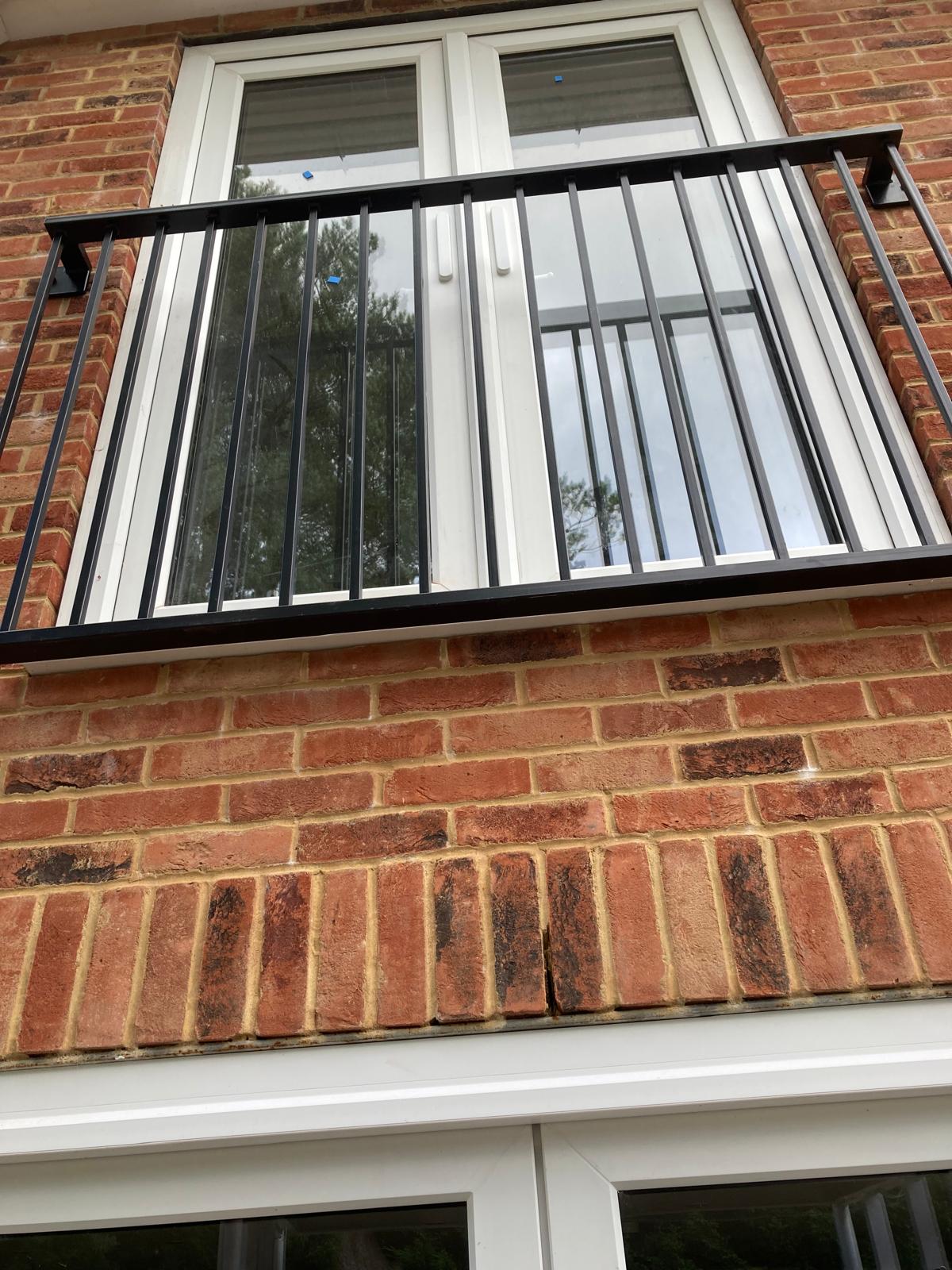
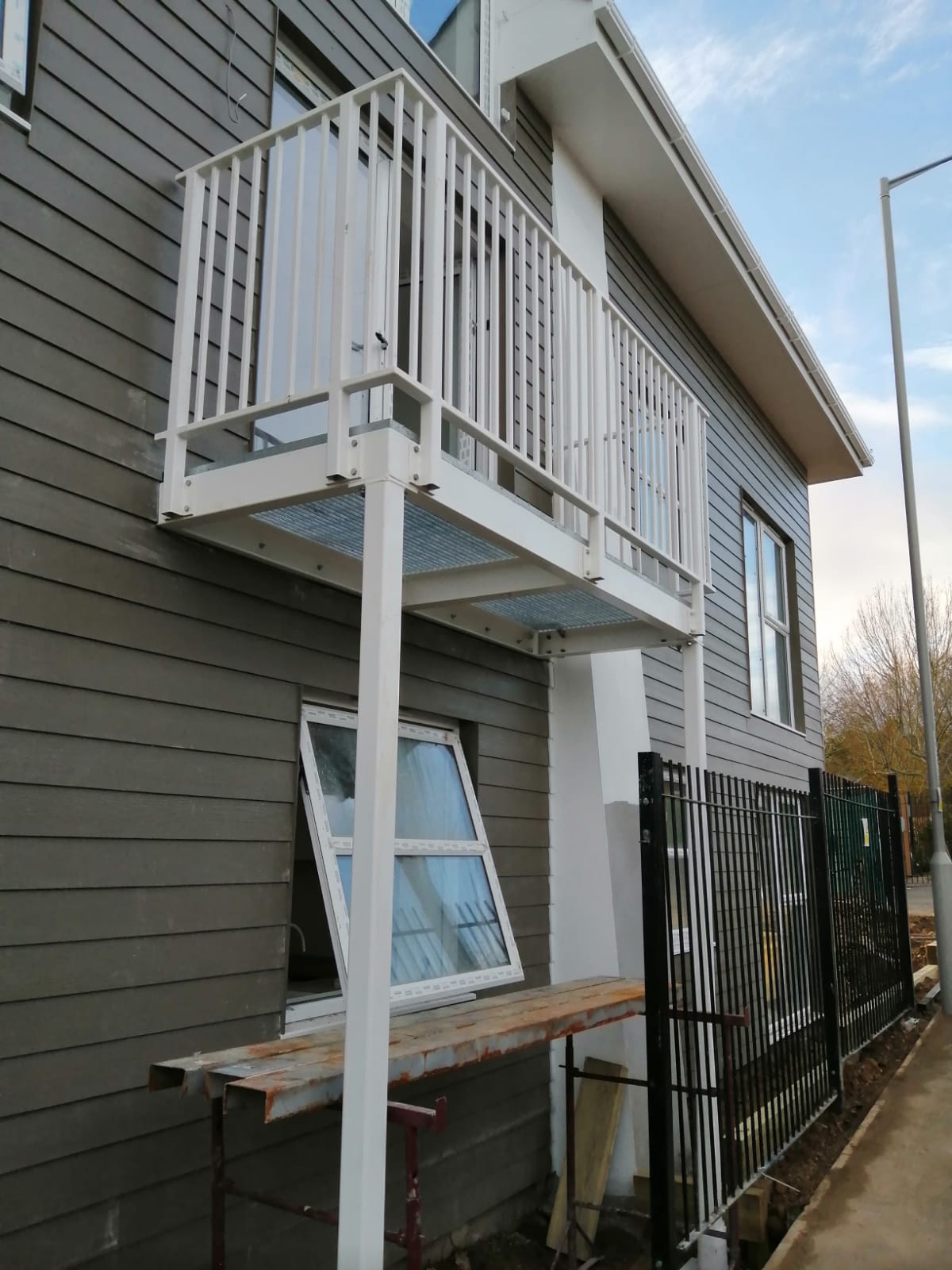
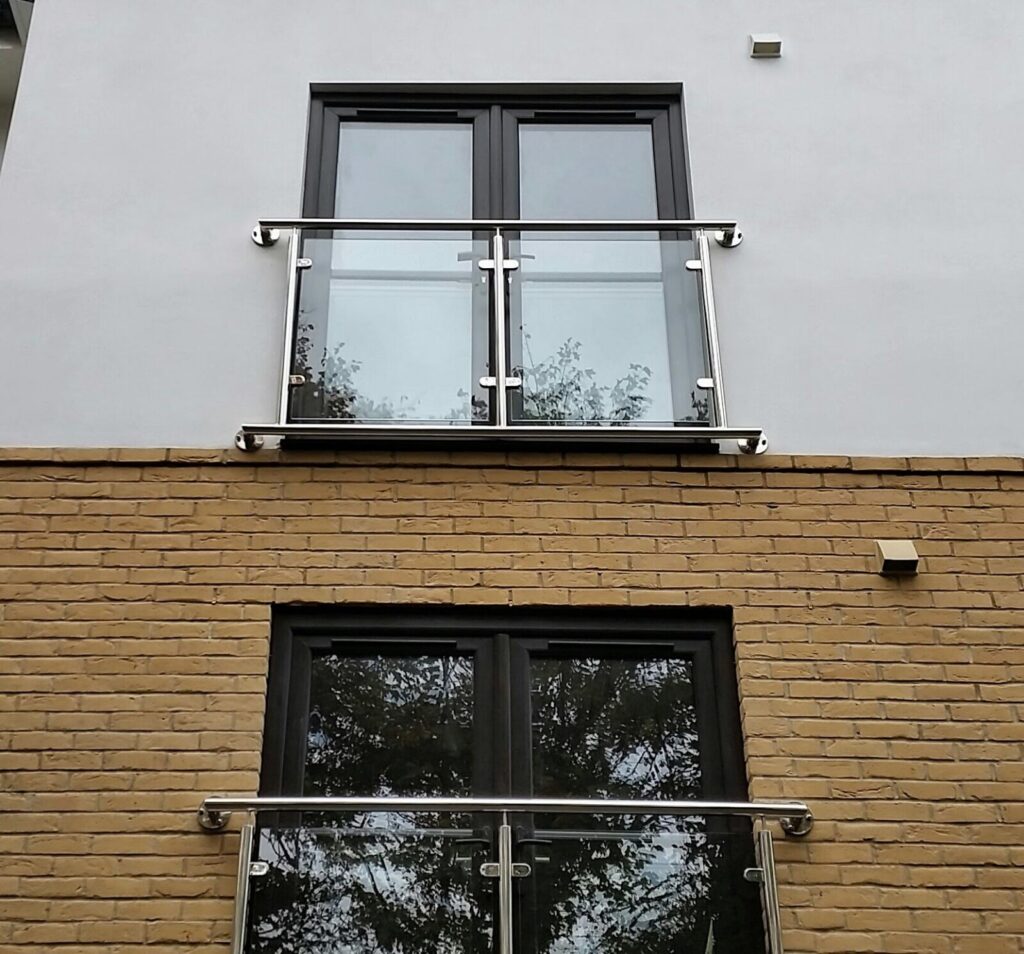
- Balconies
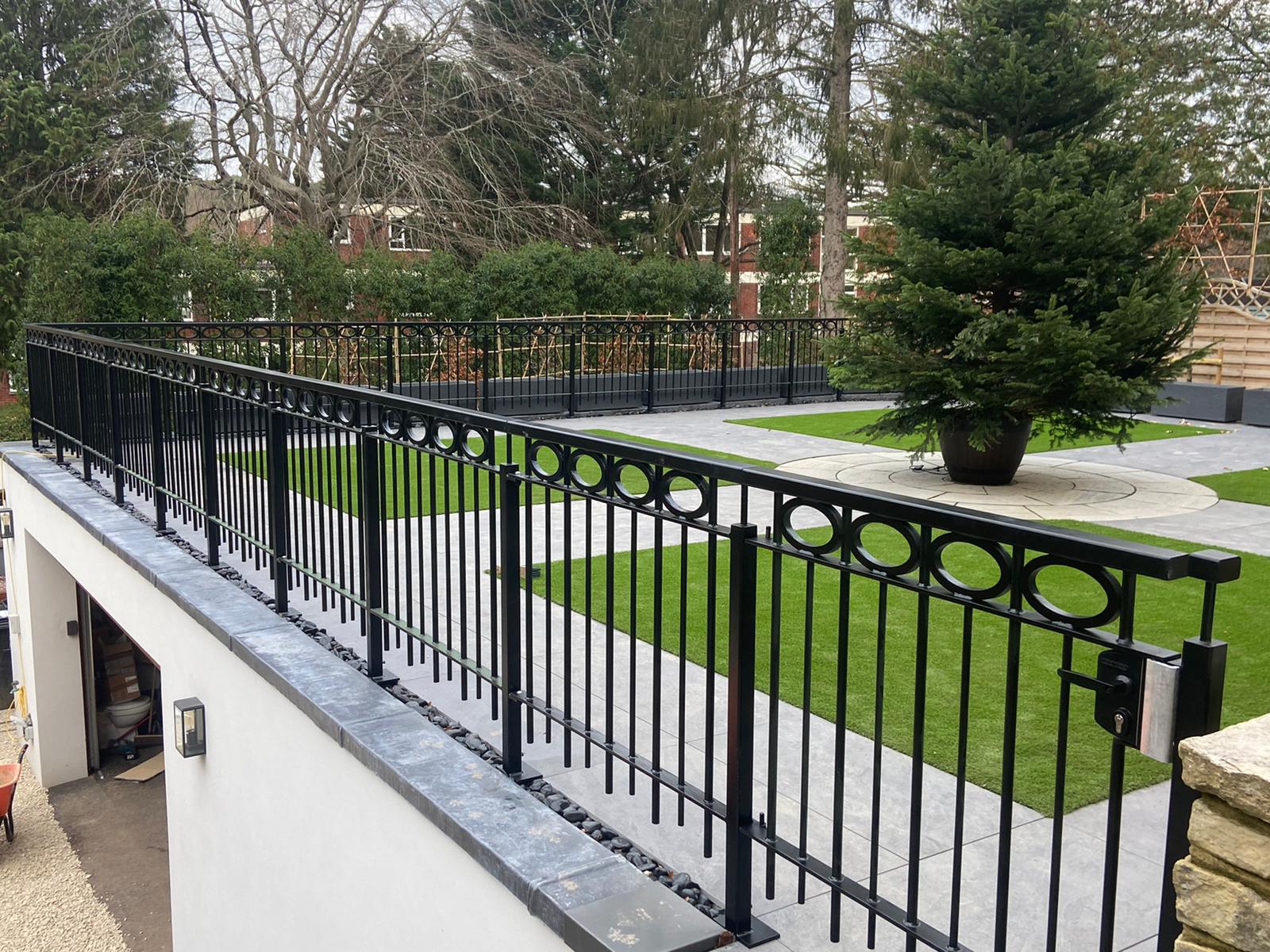
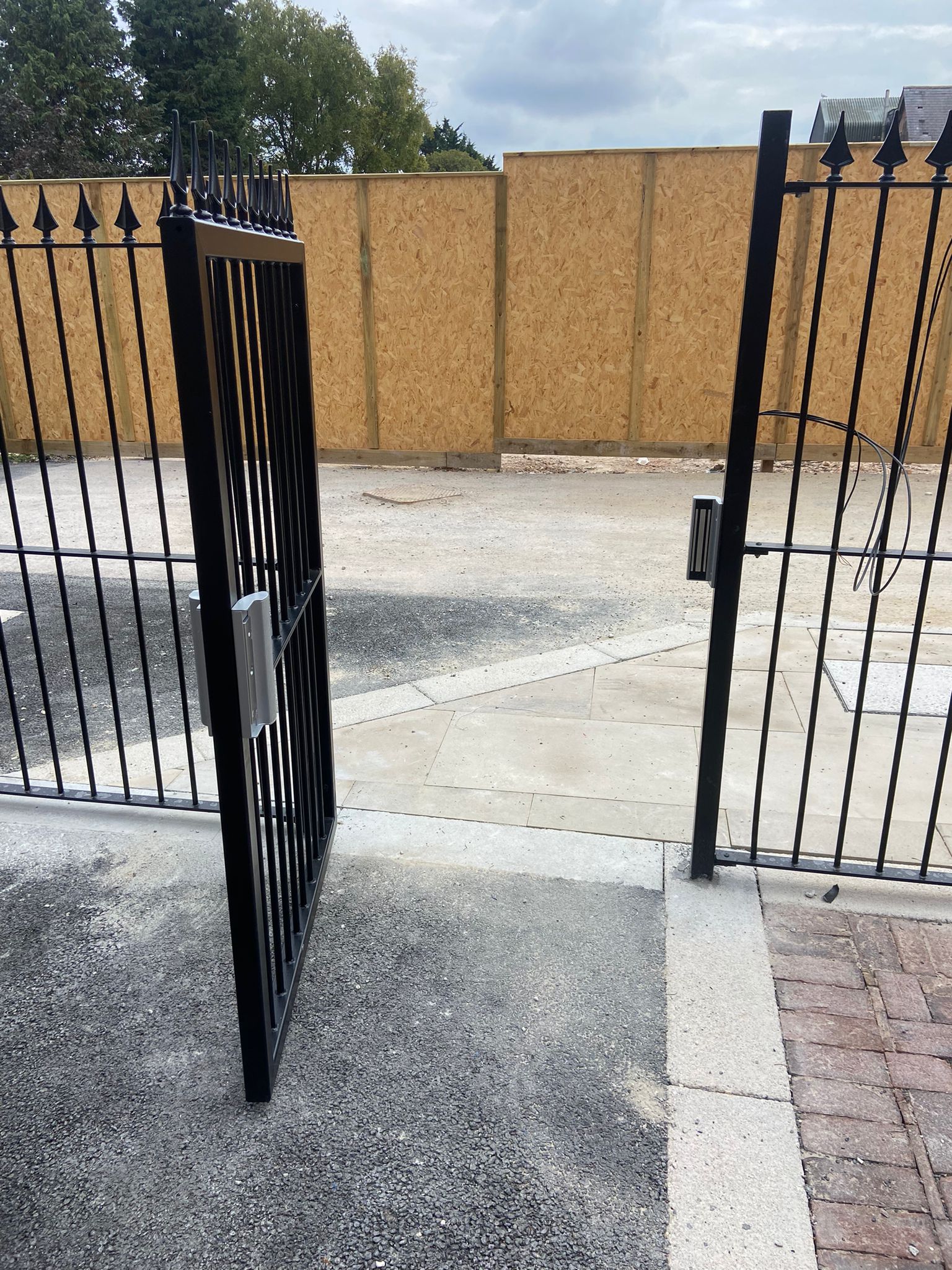
- Architectural metalwork
- Commercial refurbishments
- Industrial buildings
Each project requires different fabrication techniques, connection methods and finishing specifications depending on structural requirements.
What Should You Check Before Approving Steel Fabrication?
Many property owners assume fabrication begins immediately after ordering steel.
In reality, several important checks should happen first.
Confirm Structural Calculations
Fabrication should always match approved structural engineering calculations.
Verify Site Measurements
Existing buildings often differ slightly from original drawings.
A site survey helps eliminate dimensional errors before manufacturing begins.
Agree Surface Protection
Depending on the environment, fabricated steel may require:
- Priming
- Galvanising
- Powder coating
- Specialist protective finishes
Selecting the correct finish improves durability, particularly for external steel exposed to Dorset’s coastal conditions.
Why Dorset’s Coastal Environment Matters
Many areas of Dorset experience higher levels of moisture and airborne salt.
Without suitable protection, exposed steel can deteriorate more quickly than expected.
This is particularly important for fabricated:
- External staircases
- Balconies
- Handrails
- Structural support frames
- Architectural steelwork
Choosing appropriate coatings during fabrication helps maximise service life while reducing long-term maintenance.
How Experienced Fabricators Reduce Construction Risk
Experienced fabricators understand that manufacturing is only one stage of the project.
Successful fabrication also considers:
- Structural engineering requirements
- Building Regulations
- Installation sequencing
- Crane access
- Site logistics
- Health and safety compliance
- Future maintenance requirements
This wider understanding allows fabrication to support smoother project delivery rather than creating unexpected complications.
Questions Clients Should Ask Before Choosing Steel Fabrication in Dorset
Before appointing a fabricator, ask:
- Do they regularly fabricate structural steel?
- Can they work directly from structural engineer drawings?
- What quality control procedures do they follow?
- Are welding standards documented?
- Can they manufacture bespoke steelwork?
- Do they coordinate with installation teams?
- Have they completed similar projects across Dorset?
These questions often reveal far more than comparing quotations alone.
Why Early Fabrication Planning Saves Time and Money
The best fabrication projects begin long before steel enters the workshop.
Early collaboration between architects, structural engineers, builders and fabricators helps identify potential challenges before production starts.
This proactive approach reduces:
- Material waste
- Installation delays
- Design revisions
- Labour costs
- Programme overruns
For both domestic and commercial developments, careful planning usually delivers a faster and more cost-effective construction process.
Conclusion
Choosing professional steel fabrication in Dorset is about far more than sourcing steel components. Accurate manufacturing, detailed planning, quality assurance and experienced project coordination all contribute to safer installations, fewer delays and better long-term performance.
Whether your project involves structural steel, bespoke architectural metalwork or fabricated support beams, investing in high-quality fabrication from the outset helps avoid costly issues later in the construction process.
FAQs
What is steel fabrication?
Steel fabrication is the process of cutting, shaping, welding and assembling raw steel into structural or bespoke components for construction and engineering projects.
How long does steel fabrication take?
Lead times vary depending on project complexity, material availability and fabrication requirements, but most projects require several weeks from approved drawings to installation.
Is galvanising necessary for fabricated steel?
For many outdoor projects in Dorset, galvanising provides valuable corrosion protection, particularly in coastal environments where steel is exposed to moisture and salt.
Can bespoke steel be fabricated for residential projects?
Yes. Steel fabrication is commonly used for house extensions, loft conversions, staircases, balconies, RSJ installations and other bespoke residential applications.
Why is accurate fabrication so important?
Even small dimensional inaccuracies can delay installation, require expensive site modifications and affect the structural performance of the finished project.

