
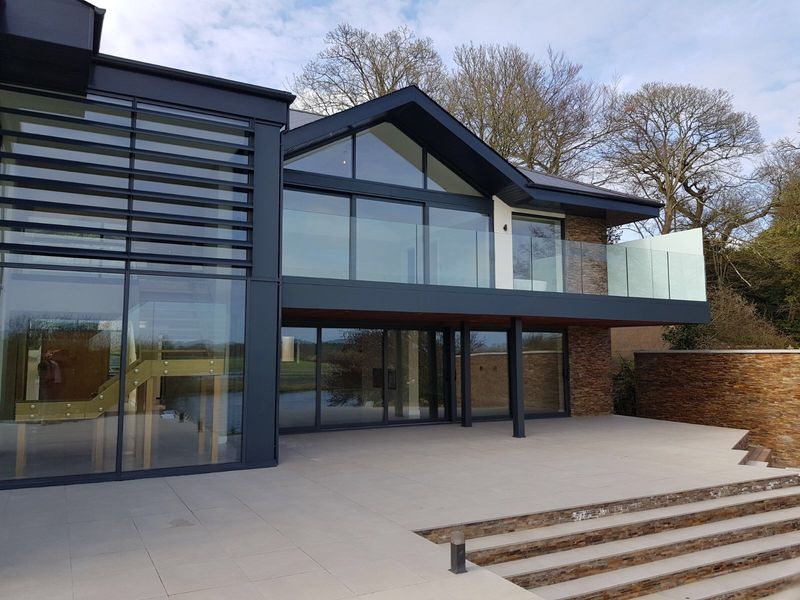
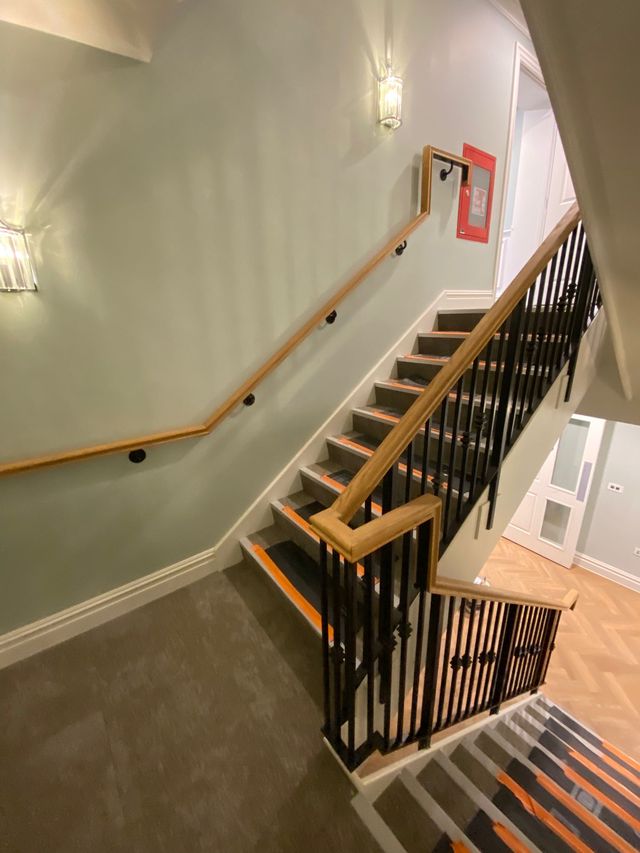
Removing a load-bearing wall may completely transform your property, but it also changes the way structural loads are supported throughout the building. Without the correct structural support, the integrity of the property can be compromised, making professional RSJ installation one of the most important stages of any structural alteration.
At TL Steelworks, we provide expert RSJ installation services for residential, commercial and industrial projects. From reviewing structural drawings and fabricating steel sections to safe on-site installation, we ensure every RSJ is installed in accordance with the structural engineer’s specifications and current Building Regulations. Whether you’re creating an open-plan kitchen, extending your home, converting a loft or undertaking a commercial refurbishment, our experienced team works closely with homeowners, builders, architects and structural engineers to deliver structural steel solutions that provide lasting strength, safety and reliability.
An RSJ (Rolled Steel Joist) is a structural steel beam designed to support loads when existing load-bearing walls or other structural elements are removed or altered. Although the term “RSJ” is still widely used across the construction industry, modern structural projects are commonly designed using Universal Beams (UB) or Universal Columns (UC), selected by a structural engineer based on the specific loading requirements of the building. Regardless of the terminology, every beam must be correctly specified, accurately fabricated and professionally installed to ensure the building remains structurally sound.
RSJ installation is commonly required whenever structural support needs to be introduced or existing support is being modified.
One of the most common projects involves homeowners opening up separate kitchen and dining rooms into one larger living space.
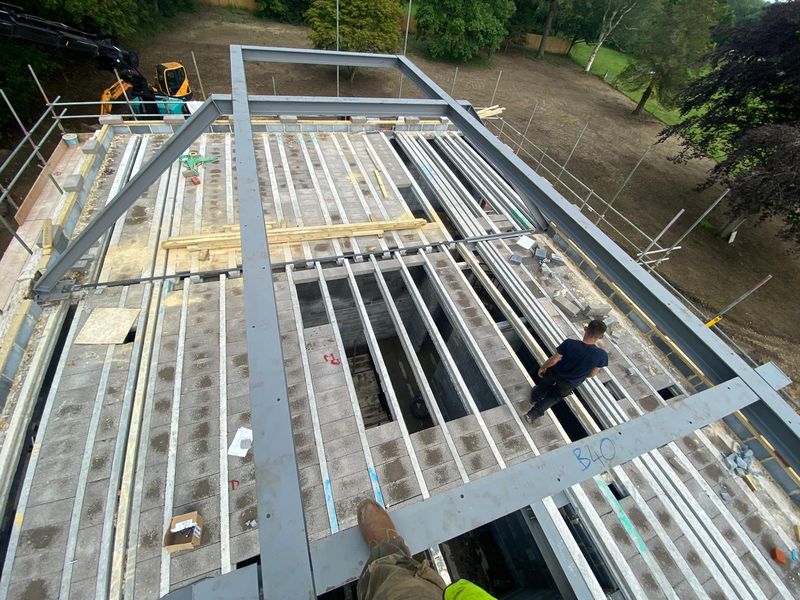
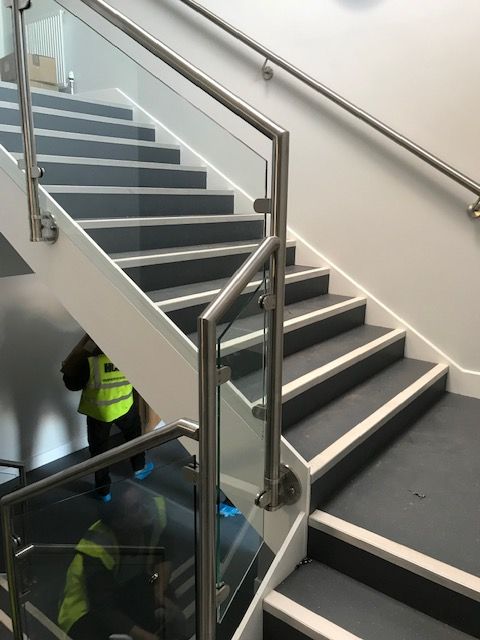
One of the most common projects involves homeowners opening up separate kitchen and dining rooms into one larger living space. While the finished result looks simple, the structural work behind it requires careful planning. The existing wall often supports floor joists, roof loads or upper-storey masonry, meaning the replacement RSJ must be installed precisely to maintain the building’s structural integrity.
Every installation is carefully planned to ensure structural safety, efficient project delivery and compliance with approved engineering drawings.
Before any work begins, we review the structural engineer’s calculations, beam specification and installation details to ensure the correct steel section is prepared for the project.
Where required, the RSJ is fabricated to the engineer’s specifications, including connection details, bearing requirements and any additional fabrication necessary for the project.
Before lifting the beam into position, the installation area is prepared carefully. Temporary structural support is installed where necessary, allowing the existing load-bearing wall or supporting structure to be safely altered before the new steel beam is positioned.
Using safe lifting methods and appropriate installation techniques, the RSJ is positioned accurately onto its structural bearings before being secured in accordance with the approved structural design.
Following installation, the completed steelwork is checked against the approved drawings, allowing the next stage of construction to proceed with confidence.
Installing an RSJ is far more complex than simply placing a steel beam into a wall opening. Incorrect measurements, inadequate temporary support or poor installation practices can lead to structural movement, delays during Building Control inspections and expensive remedial work.
Careful planning at this stage helps avoid problems that can become significantly more expensive once construction continues.
Homeowners frequently require RSJ installation during extensions, loft conversions, garage conversions and internal renovations. Our team works alongside builders and structural engineers to ensure every installation supports the overall construction programme while minimising disruption to the property.
Commercial refurbishments often involve structural alterations to create larger open-plan spaces, office layouts or retail environments. These projects require careful coordination between multiple contractors, making accurate fabrication and efficient installation essential to maintaining programme deadlines.
Choosing the right contractor for RSJ installation provides confidence that the structural work will be completed safely, accurately and professionally.
Our practical approach focuses on achieving a safe installation while helping clients avoid unnecessary delays and costly structural issues later in the build.
If you’re planning a house extension, removing a load-bearing wall or undertaking a structural alteration, professionally installed steelwork is essential to protecting the safety and stability of your property. Whether you already have structural drawings or need advice before fabrication begins, TL Steelworks is ready to help. Contact our team today to discuss your project, review your engineering drawings and receive a tailored quotation for your RSJ installation requirements.
Yes. A qualified structural engineer should specify the correct beam size, structural calculations and installation details before any fabrication or installation takes place.
Most structural alterations involving load-bearing walls require Building Control approval. Your builder or structural engineer can advise on the specific requirements for your project.
The installation itself is often completed within a day, depending on beam size, access and project complexity. However, preparation, structural approvals and follow-on building work will influence the overall project timescale.
Yes. We provide a complete service, including fabrication (where required) and professional RSJ installation, helping ensure every stage is completed accurately.
No. Every beam is specified according to the structural engineer’s calculations, taking into account span lengths, loading requirements and the existing structure. Using the correct beam is essential for long-term structural performance.

